

Wildlife Photo Gallery - 'Beast or Birdin'
Welcome to my curated image collection, where every photograph tells a story. These shots capture the untamed beauty of wildlife —moments that caught my eye and touched my heart.
Wildlife photography forces me to slow down, observe the world, and capture fleeting moments. Each image represents a precious encounter, conveying the quiet beauty of being present in nature. Here, you will find my favourite wildlife shots, from native New Zealand birds to creatures encountered on my travels.
These images are arranged randomly rather than chronologically. This layout highlights specific moments in time while creating an engaging page design.
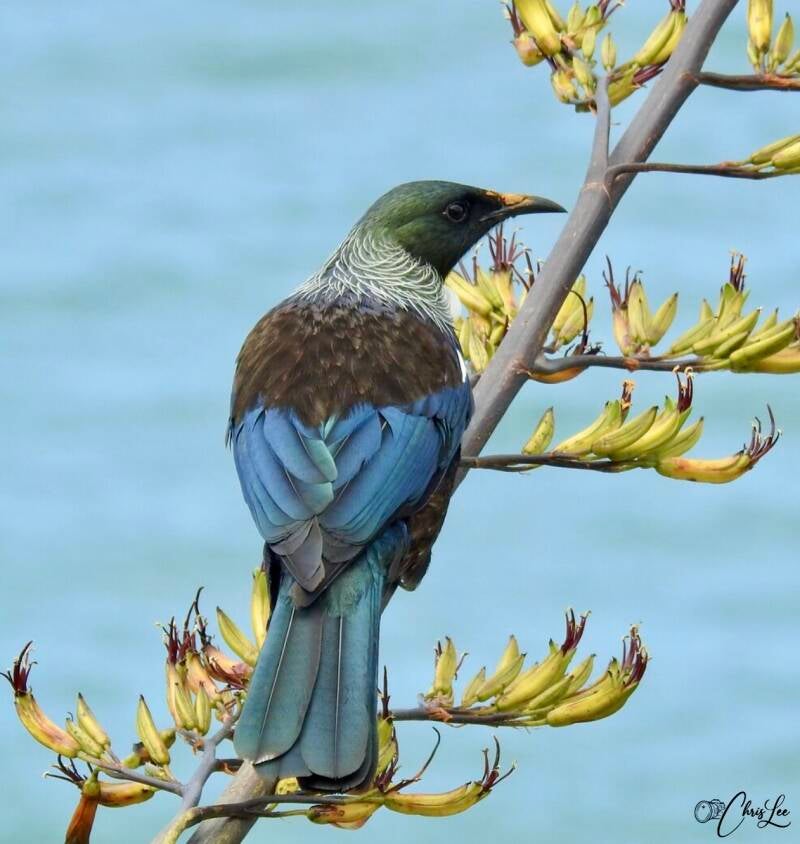
The Tūī, or parson bird, can be found close to my home in Mount Maunganui, NZ. They are very boisterous around Mauao during spring, as they feed on nectar from native New Zealand flax flowers.
View my latest downloaded images;
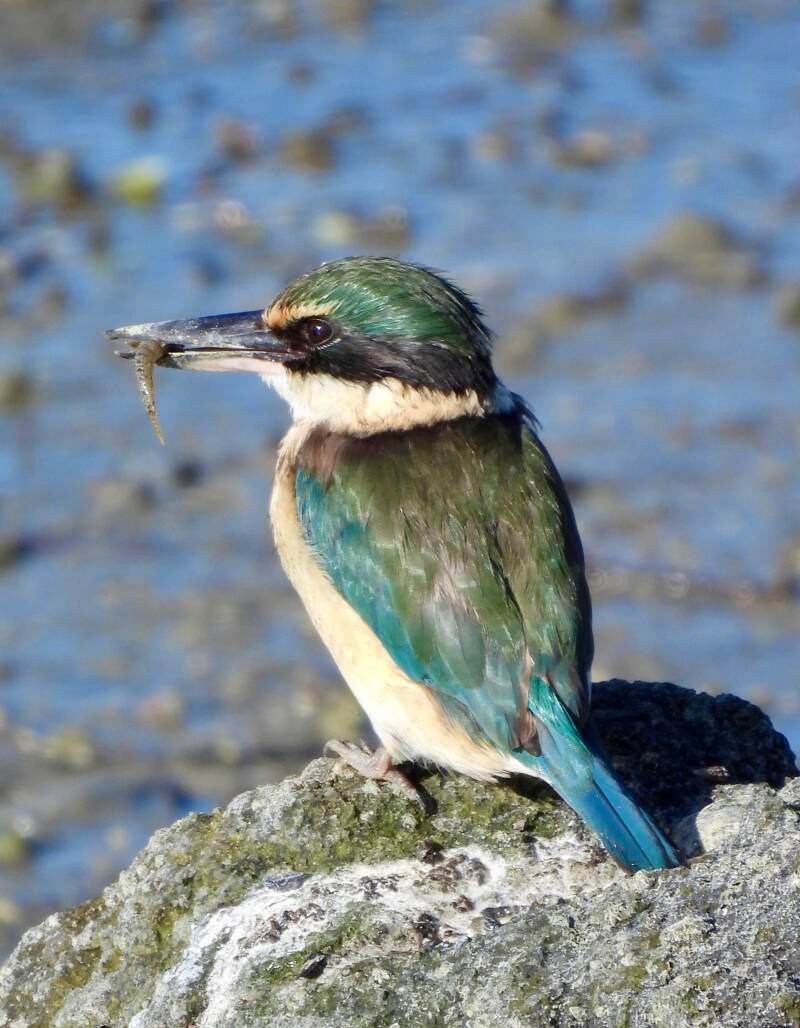
Meet the Kōtare (Sacred Kingfisher), Waikareao Estuary's resident feathered assassin. Rocking a sleek green-blue jacket and a bold black eye-stripe that screams "stealth mode," this tiny terror rules the local rock perches. Don't let the pretty colours fool you, it spends its days sitting completely still just to absolutely obliterate unsuspecting fish and crabs from above.

Male Hihi (Stitchbird): Features a striking black, yellow, and white plumage, accented by a highly distinctive white wing-bar. These tiny, hyperactive forest birds rarely sit still, flitting continuously between branches making them extremely difficult to photograph.
Female Hihi (Stitchbird): Displays a duller, olive-brown plumage but shares the same distinctive white wing-bar as the male. They frequently exhibit a unique habit of cocking their tails upward and are currently listed as 'Nationally Vulnerable'.
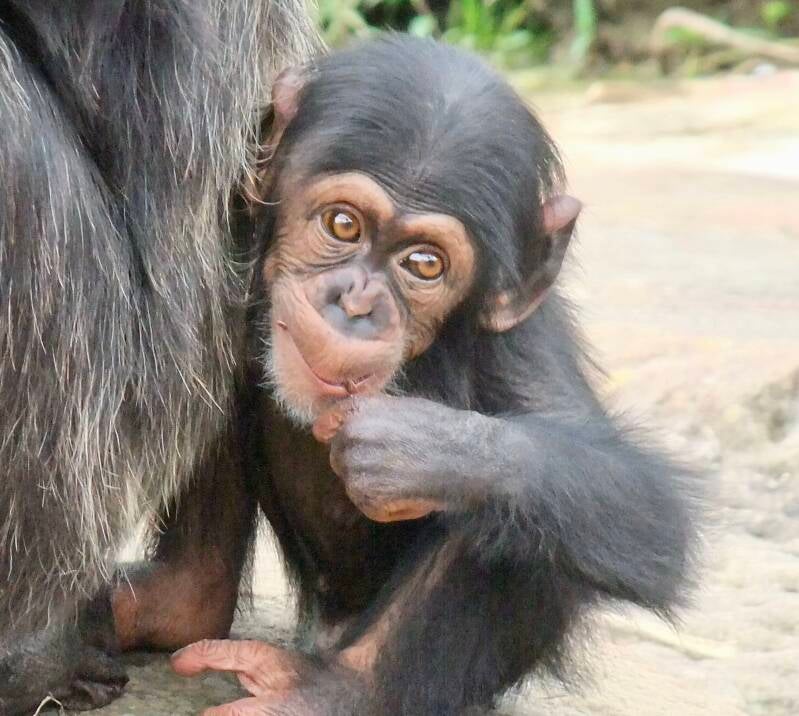
Very cute; a baby chimpanzee snuggled closely to its mother.
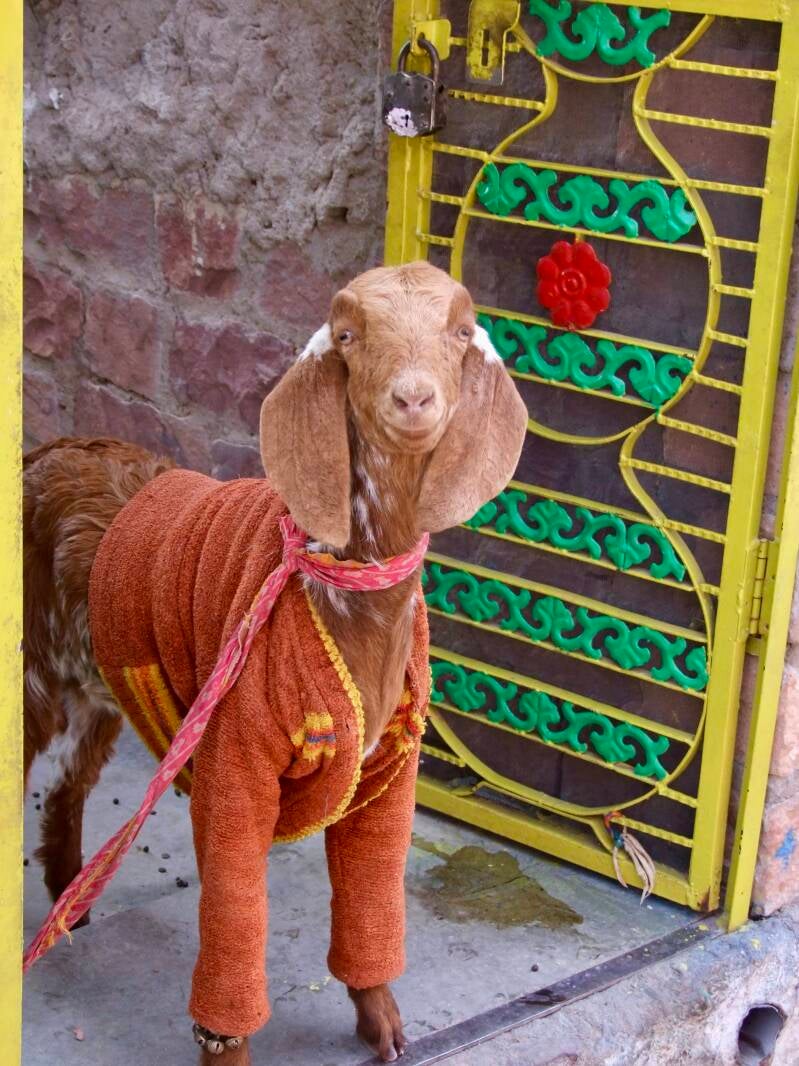
"Here's looking at you, kid." Not Casablanca but an alleyway in Jodhpur, India.
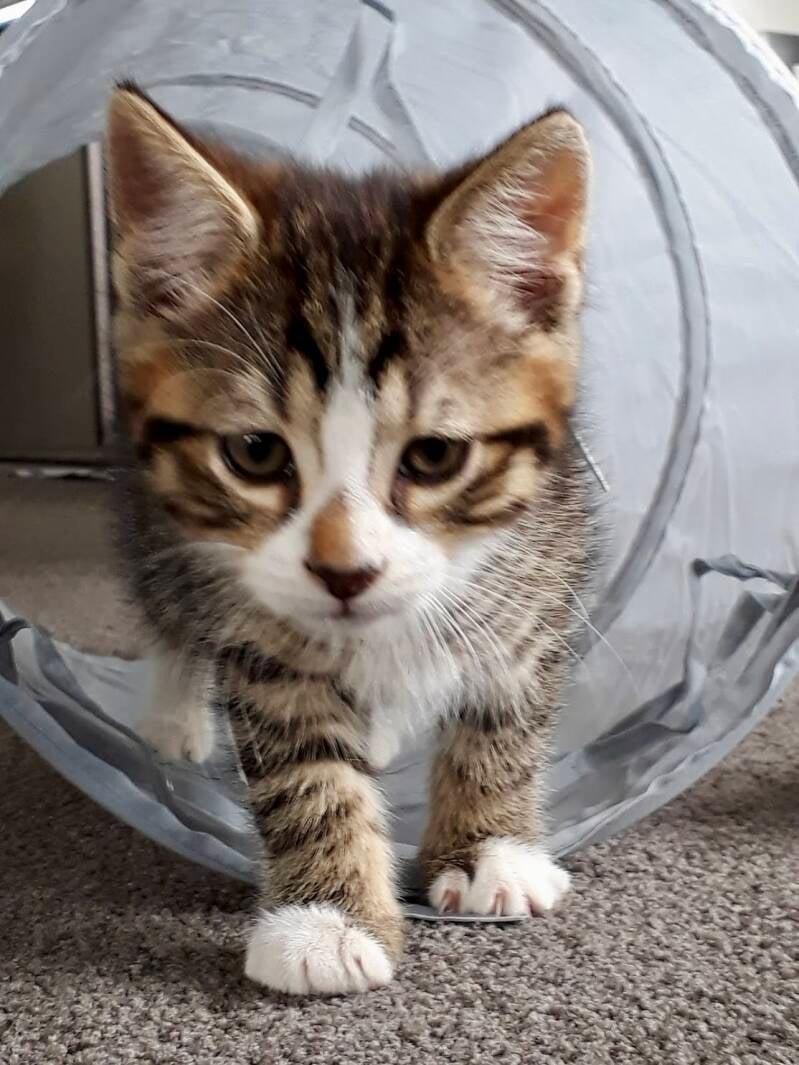
"The smallest feline is a masterpiece." - Leonardo da Vinci.

New Zealand Bellbird, (Māori name, Korimako) at Rotokare Bird Santuary, Taranaki. They are known for their clear, bell-like song and play a vital role in pollinating native New Zealand trees.
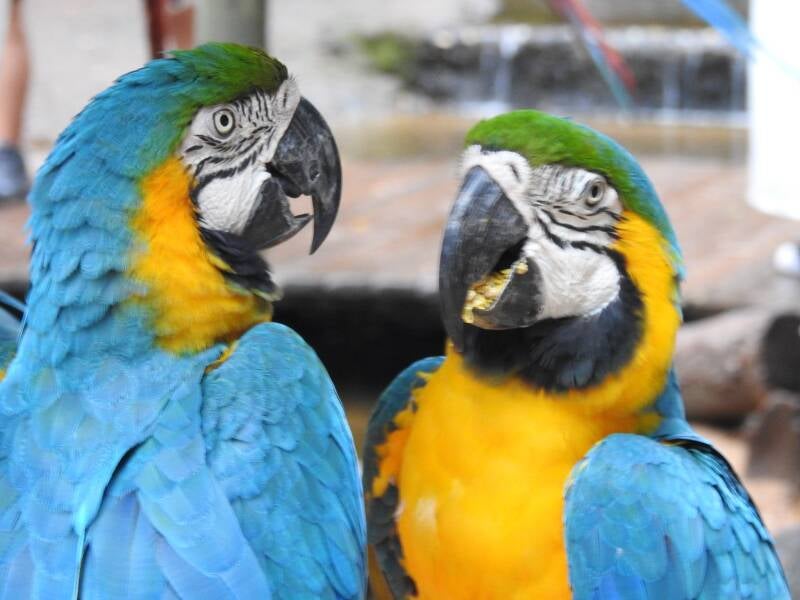
These vibrant birds are Blue-and-yellow Macaws - they take conservation seriously in Brazil.

A Kererū, or New Zealand pigeon. Kererū are vital seed dispersers in New Zealand's forests, often referred to as "gardeners of the sky," as they are the only birds large enough to swallow and disperse the seeds of certain native trees. A breathtaking mosaic of electric blues, vivid emeralds with a white apron.

Greater flamingos recognized by their tall stature and pink plumage. We were fortunate to get up close to these majestic birds. Mainly juveniles present. - flamboyance! Tavira, Algarve, Portugal.
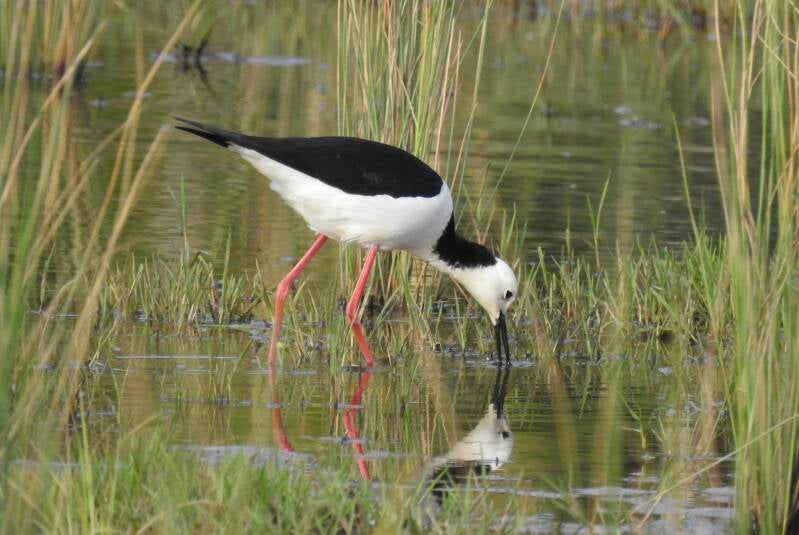
Pied Stilt. (Māori name, Poaka) in the wetlands of Shakspear Park, Whangaparoa, New Zealand.

A sequence of a North Island Saddleback (Māori name, Tīeke) foraging for a tasty morsel from a dead branch at Shakespear Regional Park. The chaos in the second image is actually dust from its beak hitting the dry wood. This explosion of flying wood particles is signature behaviour called 'gaping'. During gaping, the bird jams its strong, closed beak into the soft wood and then forcefully pries it open to split the substrate apart, uncovering hidden invertebrates like beetle larvae and other grubs.

Spur-winged Plover in the mudflats and mangroves. Identified by its distinct yellow facial wattles, bold black crown, and yellow bill. They are highly territorial, especially during nesting season, and are known for defensive behaviours like swooping on intruders.

Little Black Shag (Māori name, Kawau tūī), recognised by its blue eyes, dries out after a feed with a glossy sheen on its black plumage.

I freaking love elephants! From a lifetime of chains and riding camps to a life of peace and freedom. Visiting this ethical elephant sanctuary in Chiang Mai, Thailand reminded us what happens when we choose compassion over entertainment. A beautifully humbling experience!

Gray Langurs native to the Indian subcontinent, These monkeys are often considered sacred in India and are protected from being hunted. The species typically has a long tail, often longer than its body, and a distinctive black face.
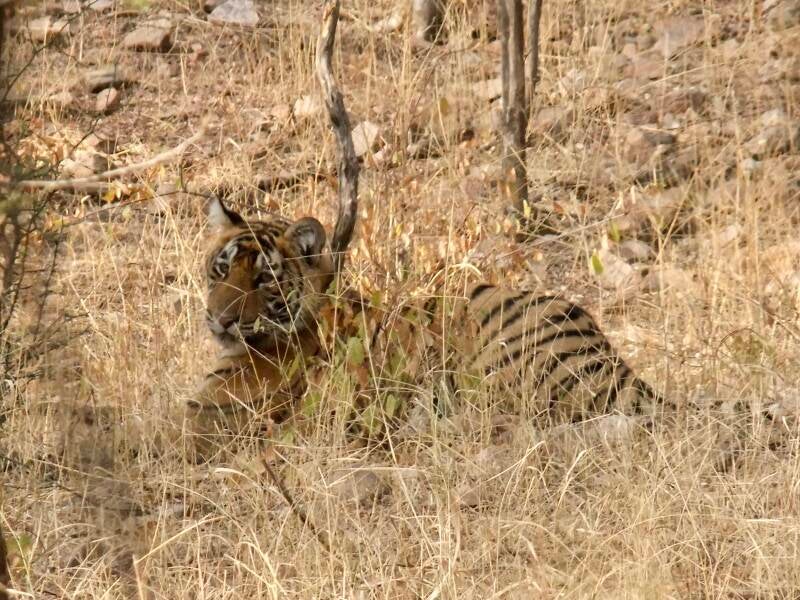
Bengal Tiger, located in Ranthambore National Park. It's resting in a dry, grassy habitat, making it difficult to see. Spotting this guy was the highlight of our wildlife safari in Rajasthan, India.
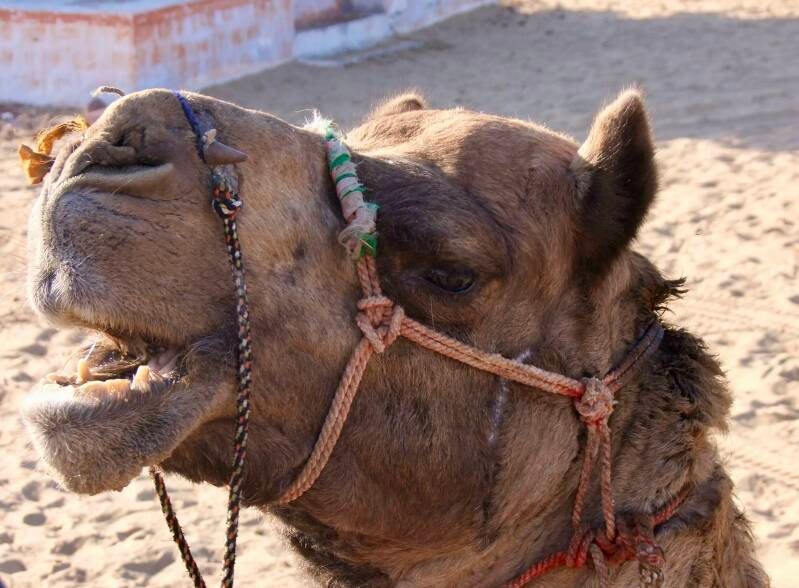
“Smell my Breath” desert setting in Rajasthan, India. This species is a Dromedary (one-humped) camel, often used for tourism and transportation in desert areas.
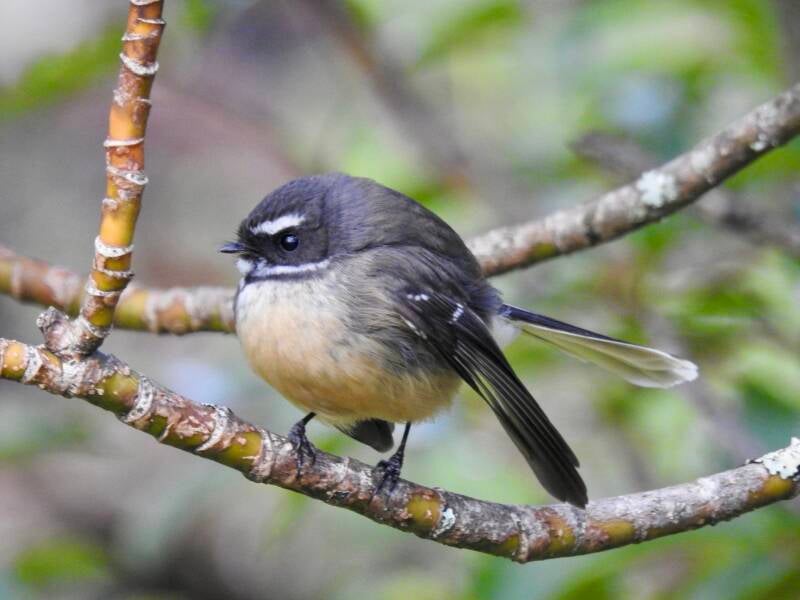
Captured this beautiful Fantail (Māori name, Pīwakawaka) putting on an absolute show for me at Omori, Lake Taupō, NZ. They never fail to entertain!
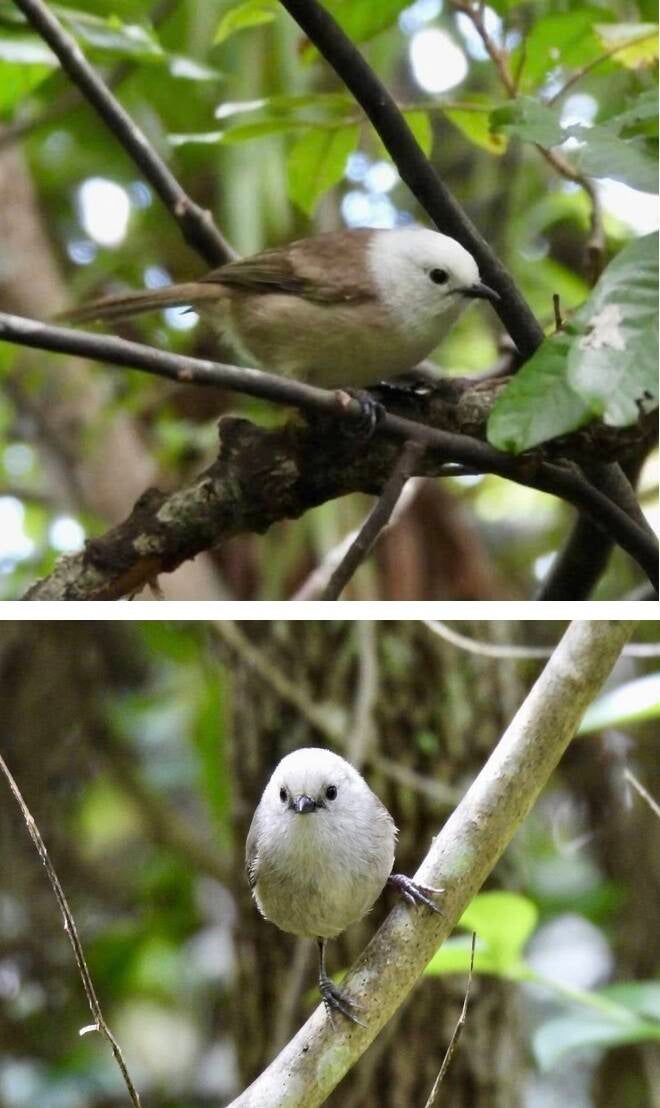
Whitehead (Pōpokotea) This guy appears to be a male or juvenile, noted by the warm cinnamon or brownish tinge on the crown and nape. They are active birds often seen moving in noisy flocks through NZ native, forest canopies. I love these dear little birds!

‘Waiting for my Tern’ - This species is currently classified as near threatened. White-fronted Terns (Māori name, Tara) are about to fly off the harbour wall at Kai Iwi Beach, Taranaki, NZ.

A Desert Bighorn Sheep resting on the vibrant red sandstone formations characteristic of the Valley of Fire State Park in Nevada, USA.

Brown Pelican at Port St. Joe in Florida, USA. I find these birds extremely majestic and dignified.
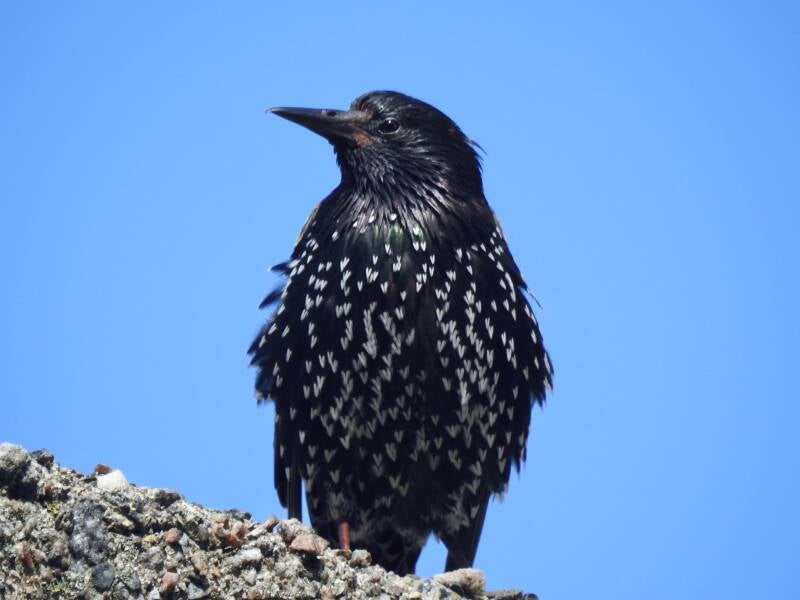
Common Starling, wearing its winter plumage. Cafayate, Argentina.

I met a very friendly Toco Toucan at Parque das Aves near Iguazu Falls, Brazil. This sanctuary is home to some highly endangered species found nowhere else in the world.
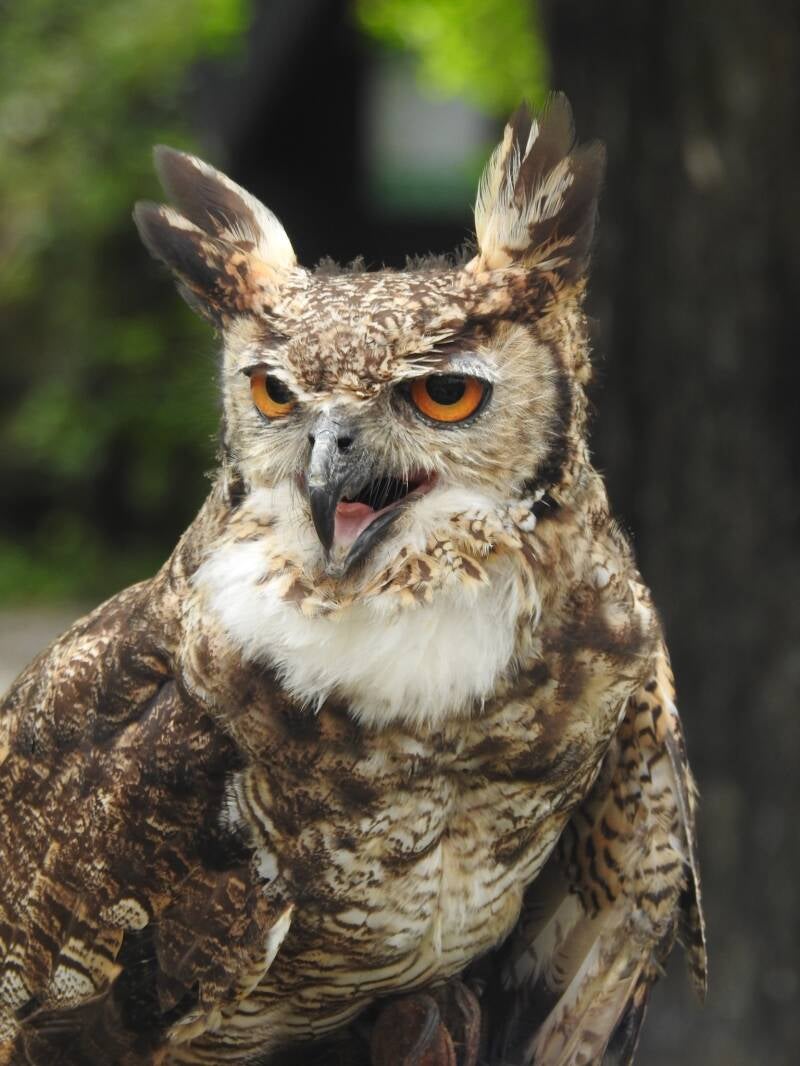
Eurasia Eagle-owl, with its distinctive ear tuffs, one of the largest and most powerful owl species in the world. Buenos Aires, Argentina.
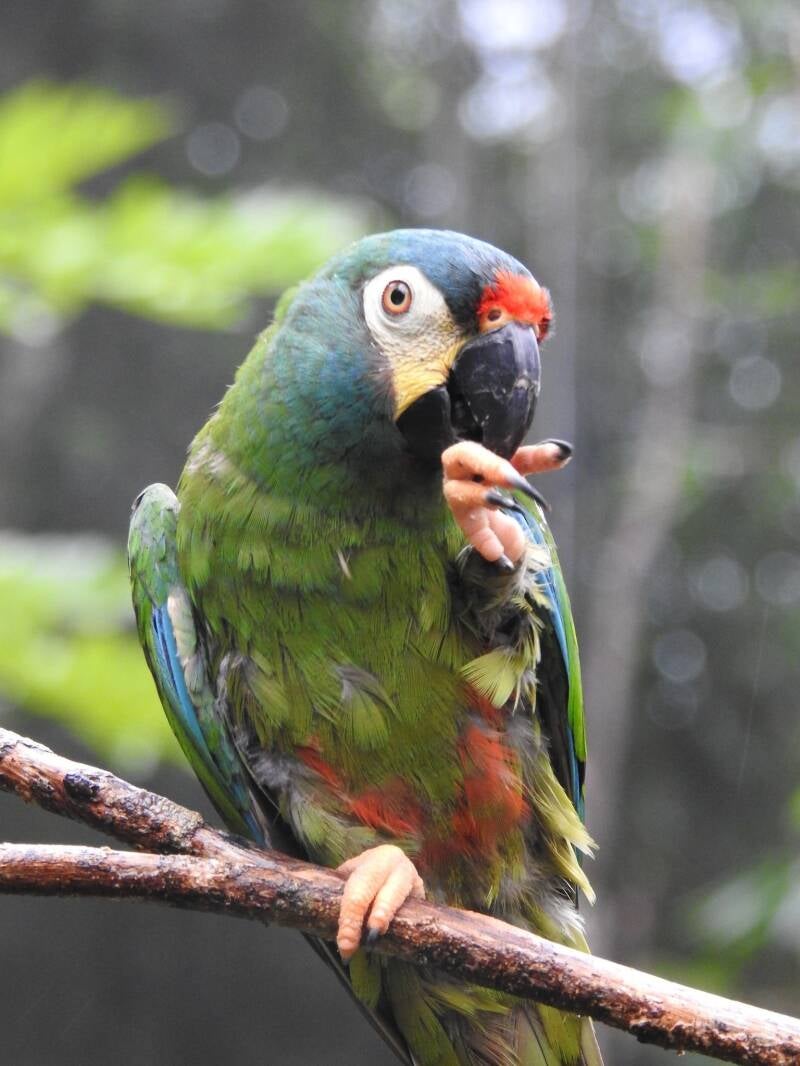
Blue-green winged Makaw, also commonly known as Illiger's Macaw. Native to South America.
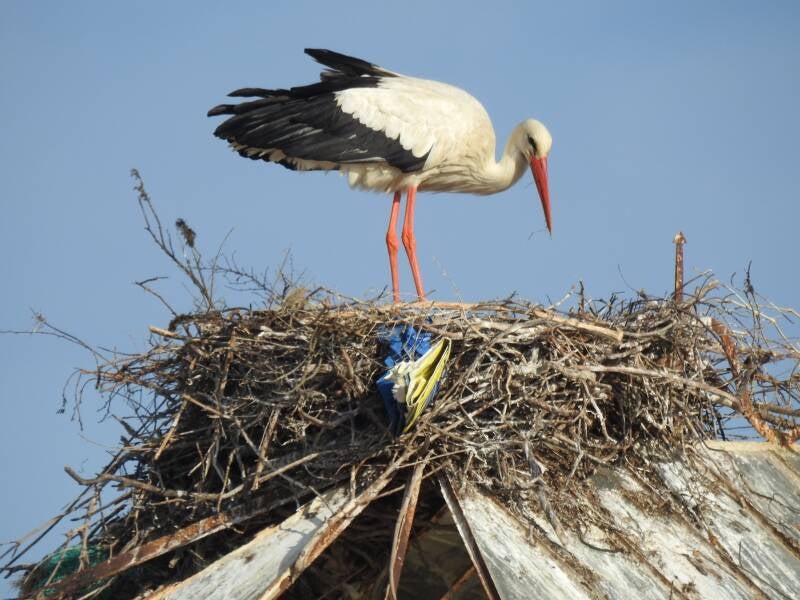
White Stork. One of the features of rooftops in Faro on the Algarve, Portugal is the number of storks that have made their very large stick nests close to human habitation. Because they are viewed as bird of good luck, it is not persecuted.
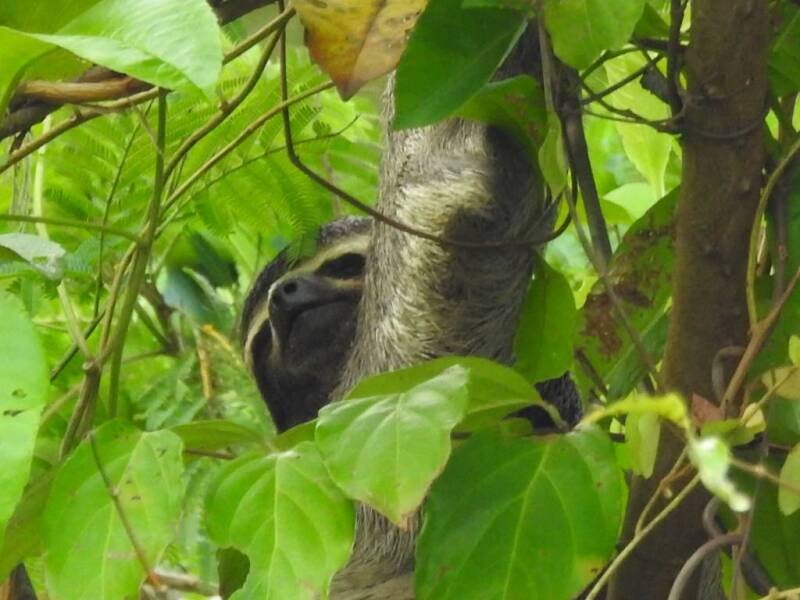
Three-toed Sloth; extremely difficult to spot let alone photograph. This guy's cruzing! Madre de Dois in the Amazonian rainforest.
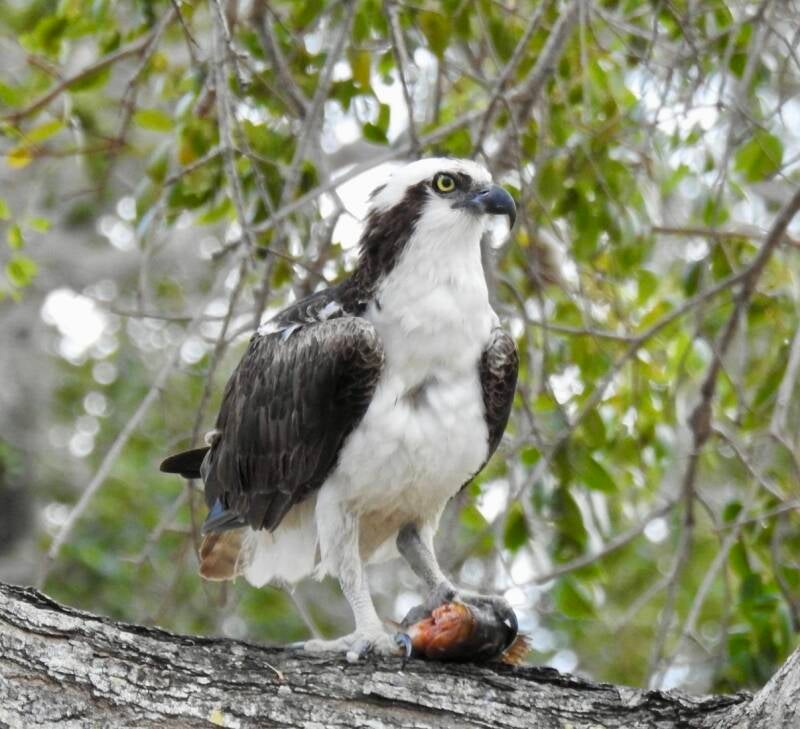
Osprey, also commonly referred to as a sea hawk, fish eagle, or fish hawk. They are diurnal (active during the day) and are known for diving into water to catch fish with their talons. Florida, USA.
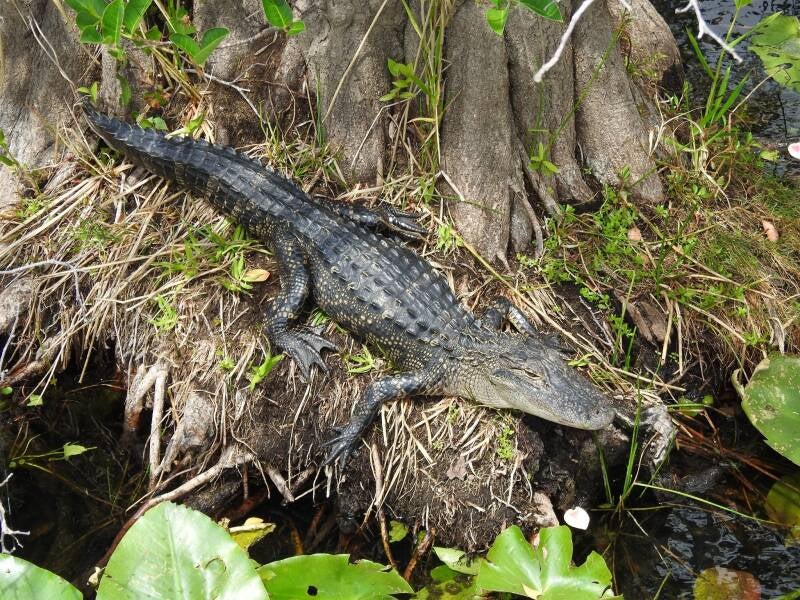
American Alligator. Approximately one year old. They are native to the southeastern USA. Everglades National Park, Florida.
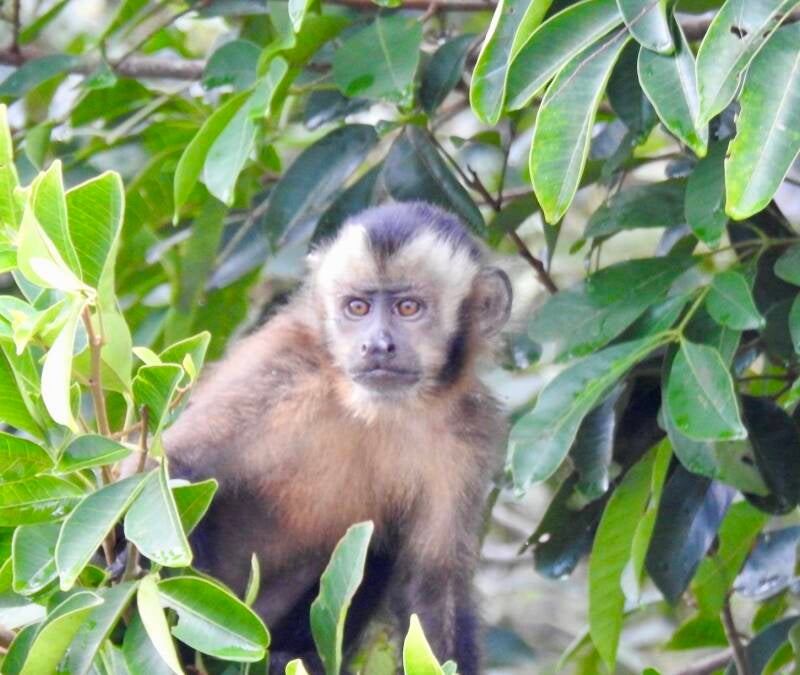
Brown Capuchin monkey. On the banks of the river Madre de Dois in the Amazonian rainforest, Puerto Maidonado, Peru. Great to witness these guys in their natural environment. Apparently the most intelligent monkey.
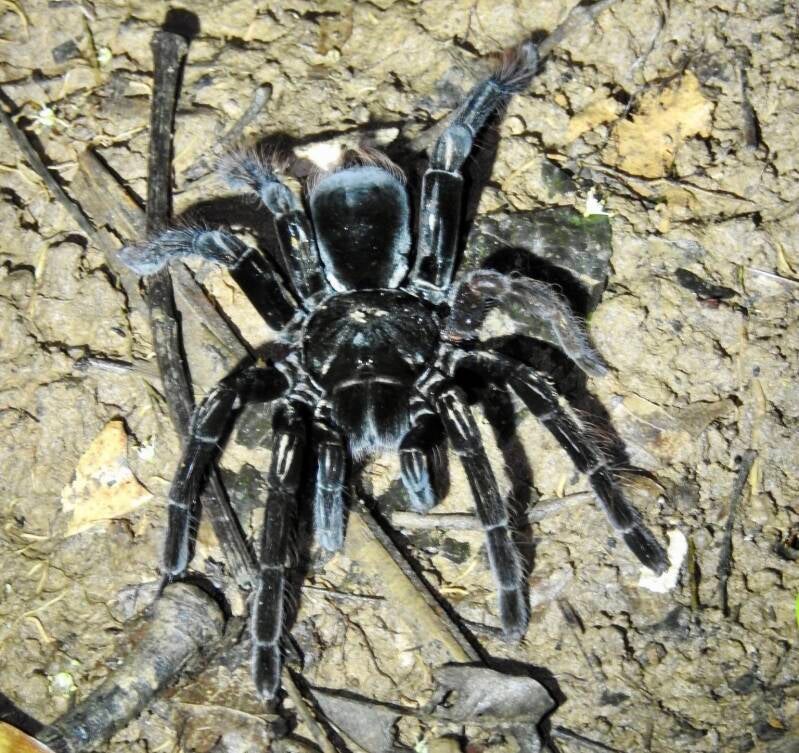
Peruvian Tarantula. They live on the jungle floor. Reaching a maximum leg span of roughly 150mm.
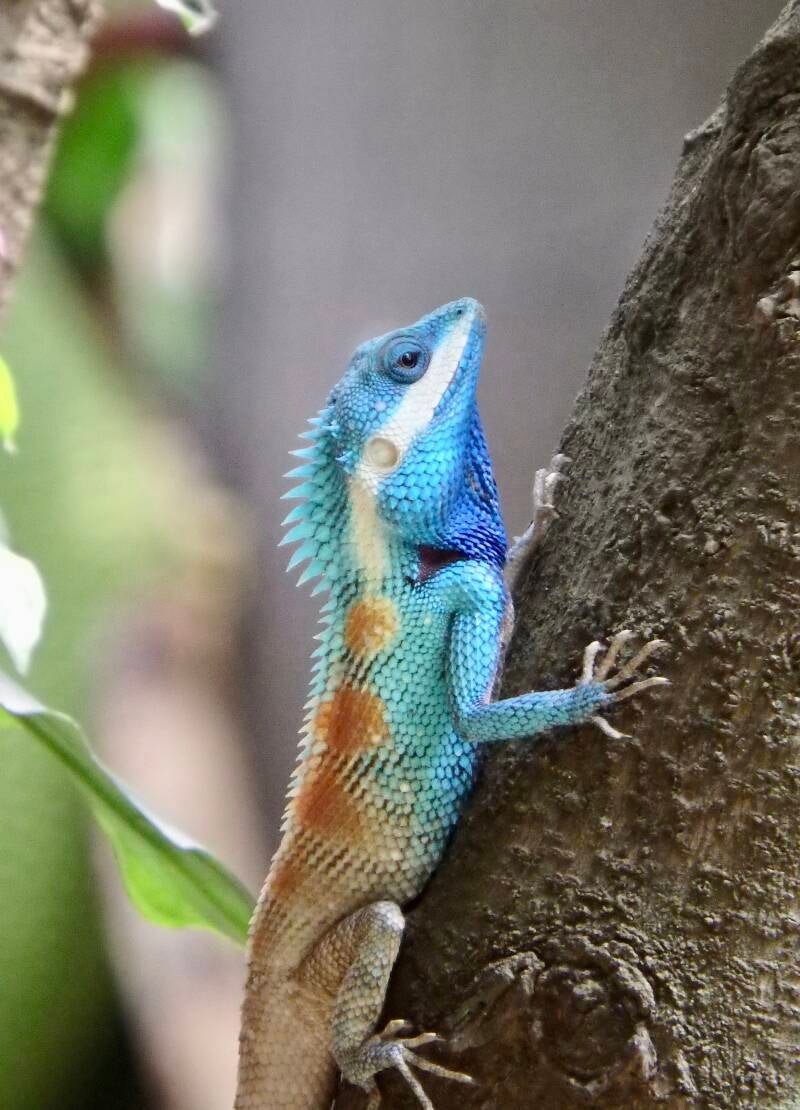
Blue-crested lizard. While they are typically olive or brown, males develop vibrant turquoise, bright blue, yellow, and gold colours during mating season. Phuket, Thailand.
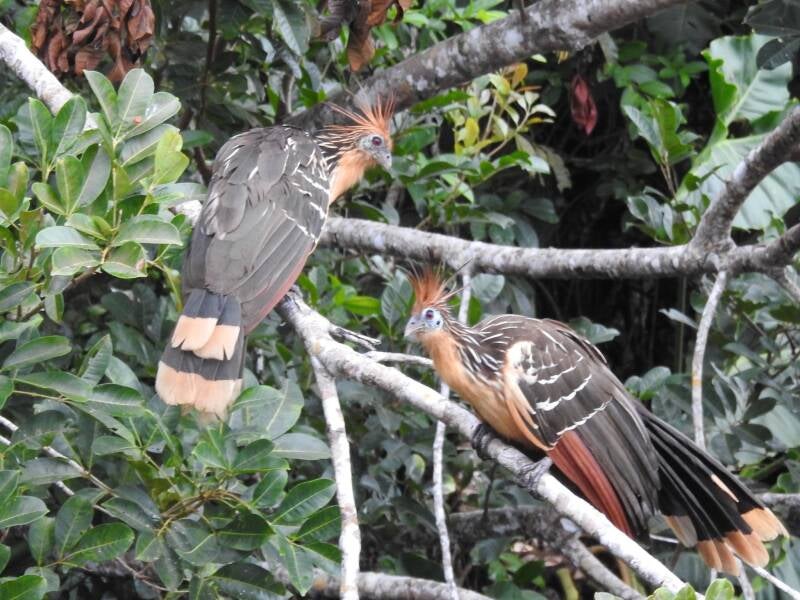
The punk-rocker, Hoatzin bird. Always in pairs, and unfortunately also known as the 'stinkbird' because of it's pungent smell; it's from fermentation of the leaves they eat. Puerto Maidonado, Peru.
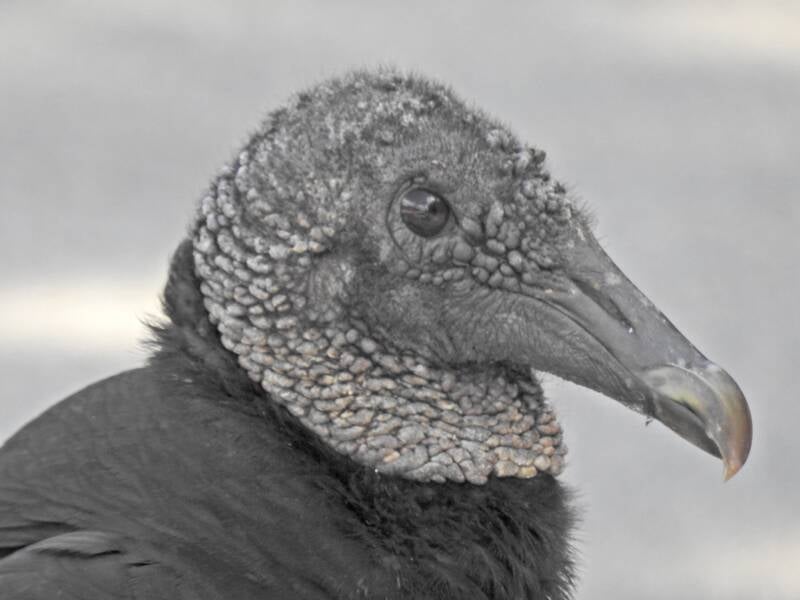
'Ugly bird.' Black Vulture. Florida, USA. The bald head is an adaptation that helps the bird stay clean while feeding, allowing for easier hygiene compared to having feathers that would trap blood and tissue.
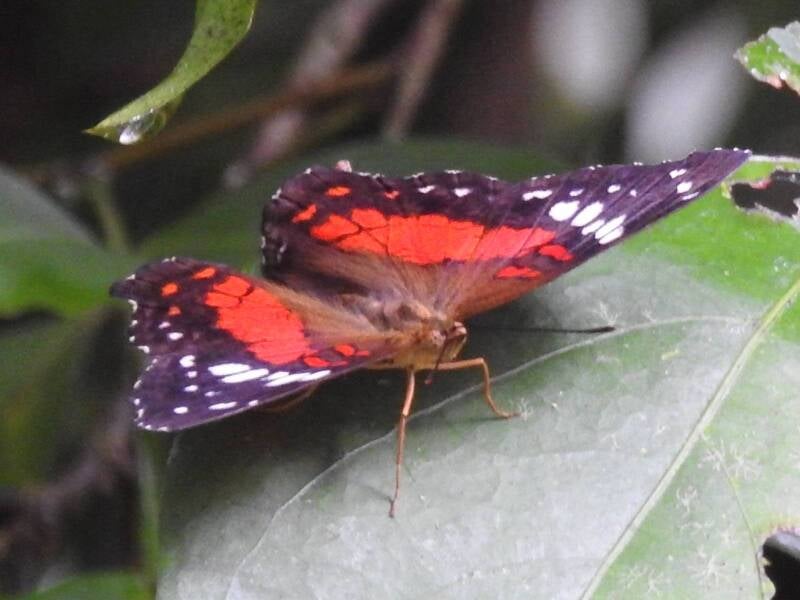
A beautiful Scarlet Peacock butterfly. Puerto Maidonado, Peru.
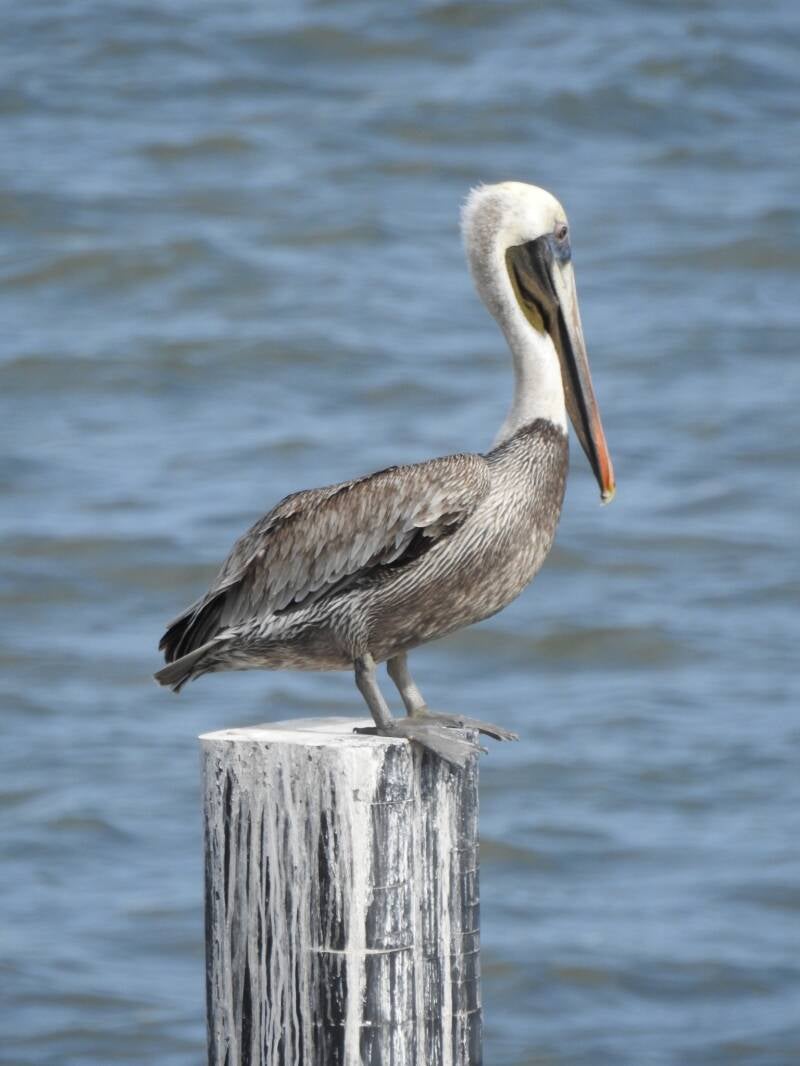
Brown Pelican. Apalachicola, Florida, USA. Unlike many other pelican species that swim on the surface to fish, Brown Pelicans are specialized plunge divers that drop headfirst into the water to stun and catch fish.
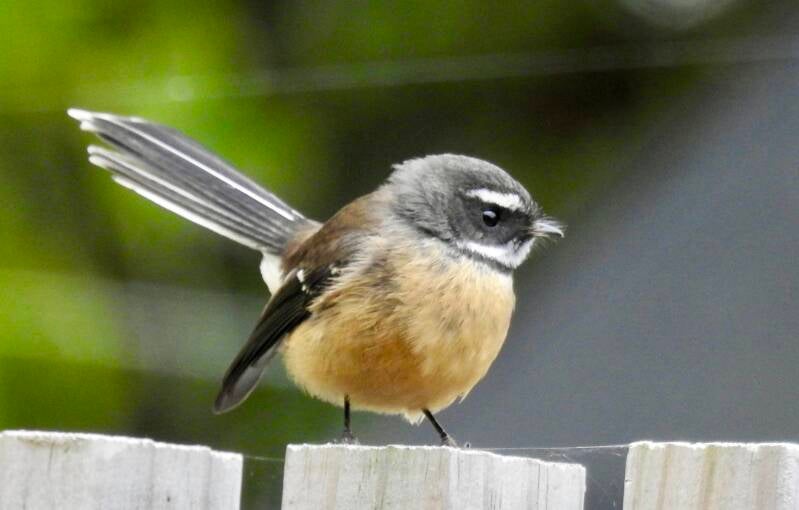
New Zealand Fantail (Māori name, Pīwakawaka). They are known to be highly agile acrobats, often fluttering ahead of people to catch insects disturbed by human movement.
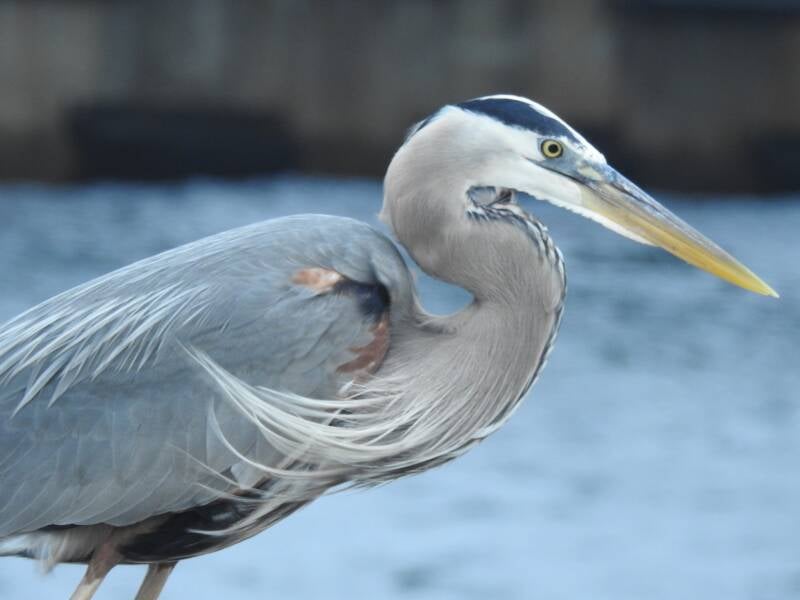
Great Blue Heron. Pensacola, Florida, USA.
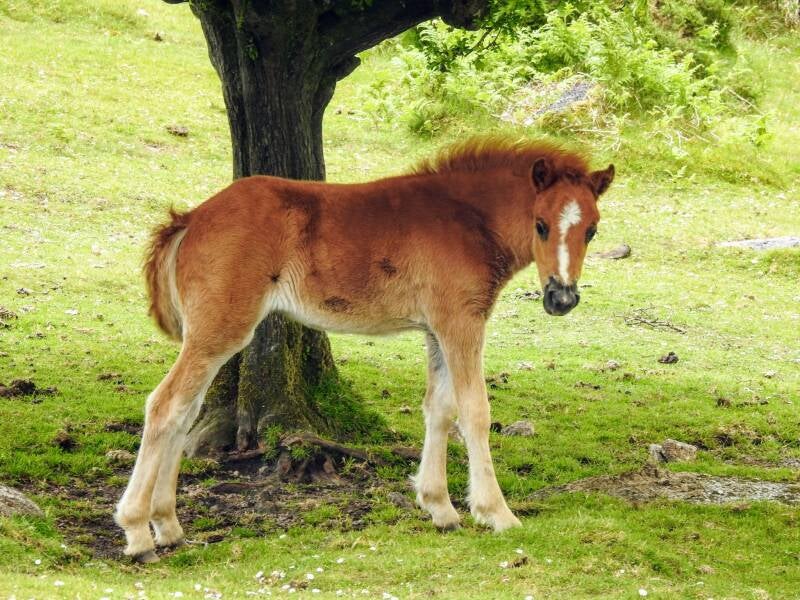
Dartmoor Foal, a rare native breed from Devon in southwest England. These ponies have lived on the moorlands of Dartmoor for centuries.
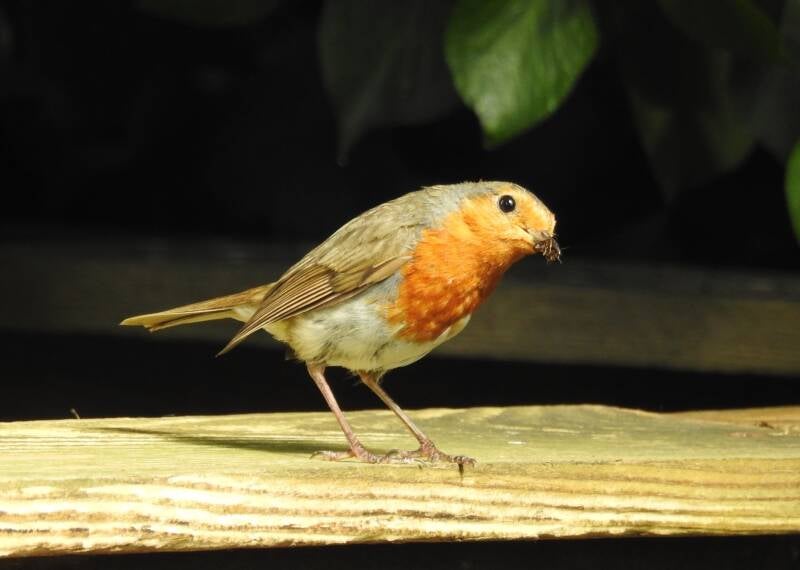
English Robin. Both males and females sing year-round, producing a warbling song that can be heard even in winter.

North Island Saddleback, - (Māori name,Tīeke). Foragering on the bush floor at Tawharanui Regional Park, NZ. Conservation efforts use coloured leg bands because their survival is threatened.
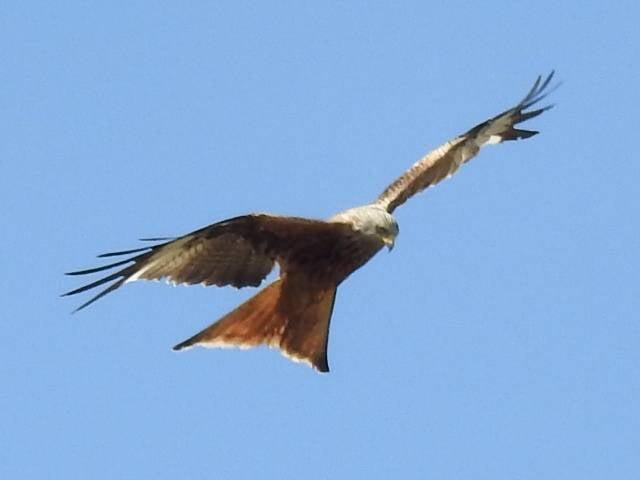
I have been playing with photographing birds in full flight for some time - not an easy task. Here a Red Kite flying over Oxfordshire. Red Kites were driven to the brink of extinction 20 years ago, now through conservation there a many pairs in Southern England.
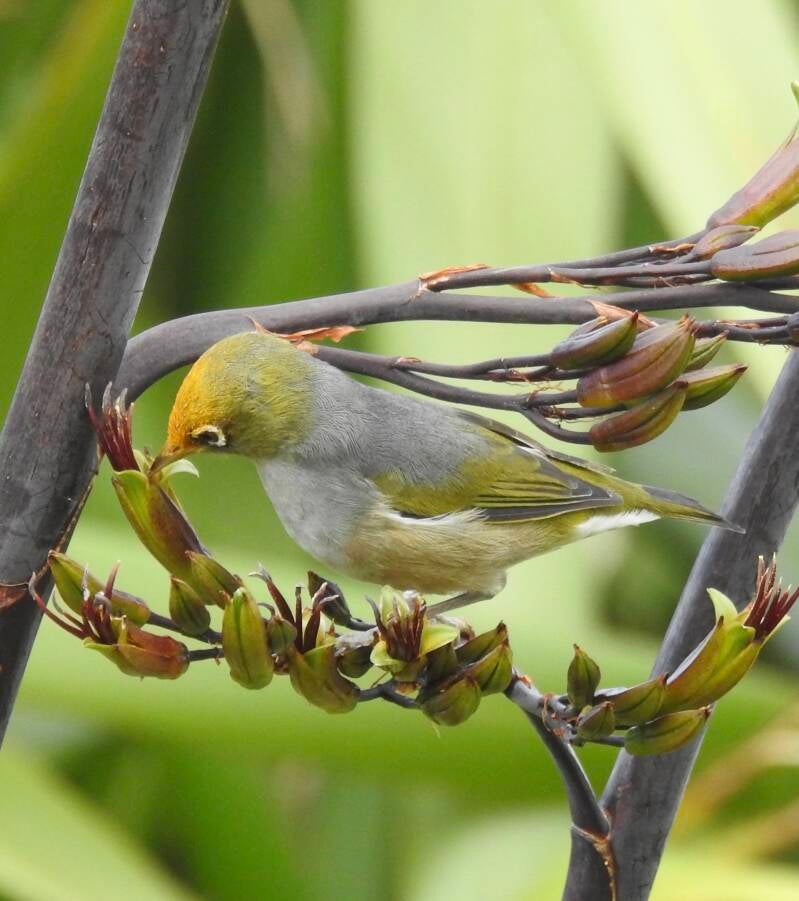
Wax-eye - (Māori name, Tauhou). Here feeding on native New Zealand flax flower nacter. They are native to Australia but self-introduced to New Zealand in the mid-1800s, likely swept across the Tasman Sea by a storm. Here feeding on the nectar from native New Zealand flax flowers.
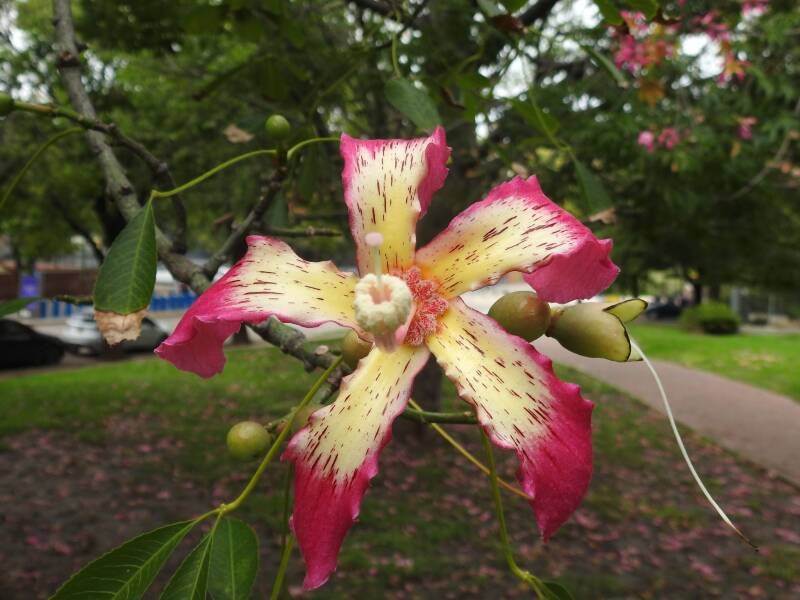
Ceiba Speciosa - Majestic Beauty. Was once the national flower of Argentina.

Pūkeko enjoying a bath - Shakespear Regional Park, NZ.
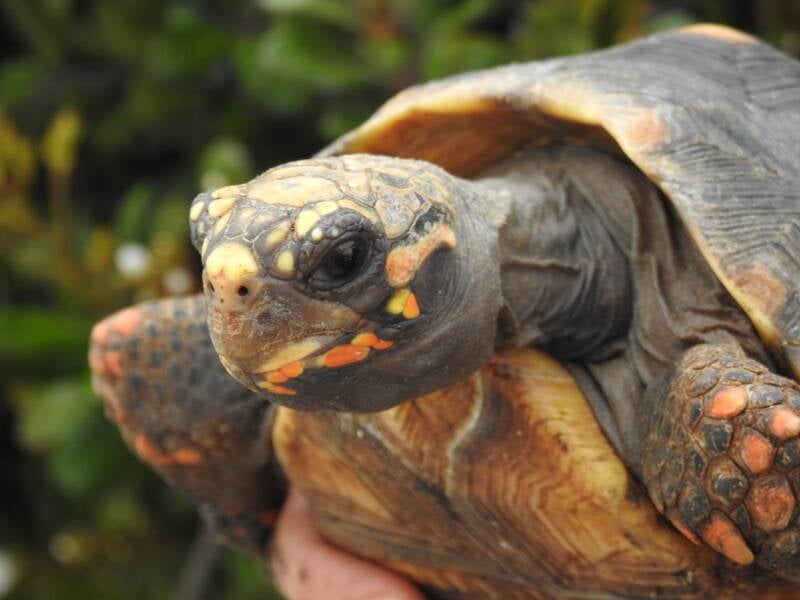
'Stawberry' the Red-footed Tortoise. Florida, USA.They average about 300mm in length.
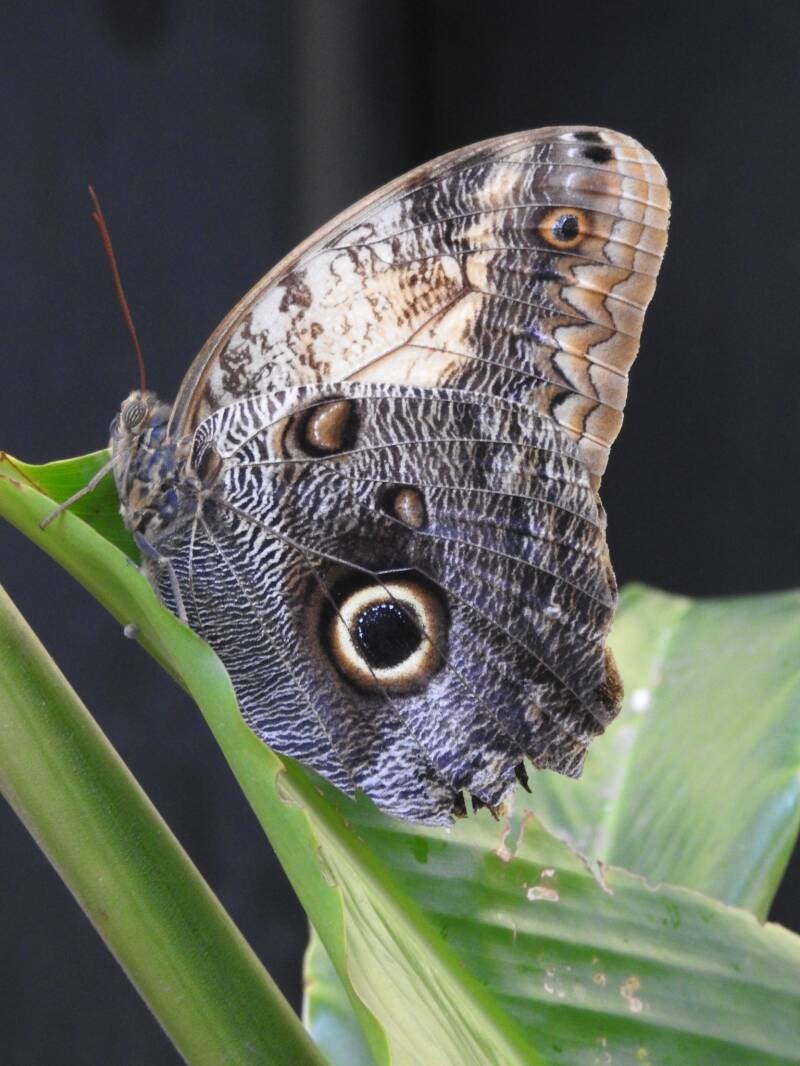
Owl Butterfly is named for the large, eye-like spots on its wings that closely resemble an owl's stare, a camouflage technique used to scare away predators. Harvest Caye, Belize.

Ring-necked Pheasant. Introduced to New Zealand, as a game bird around 1842.
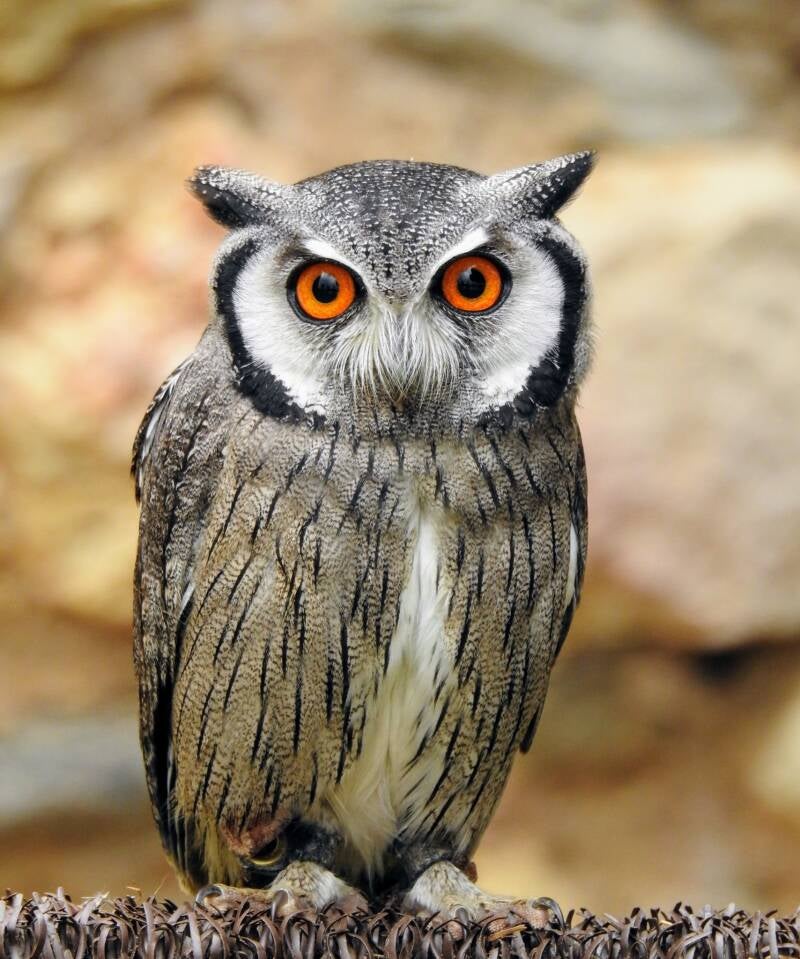
Southern white-faced owl. Unfortunately in captivity in Largo, Portugal but native to the southern half of Africa. They are easily recognizable by their bright orange eyes and a striking white face bordered with black.
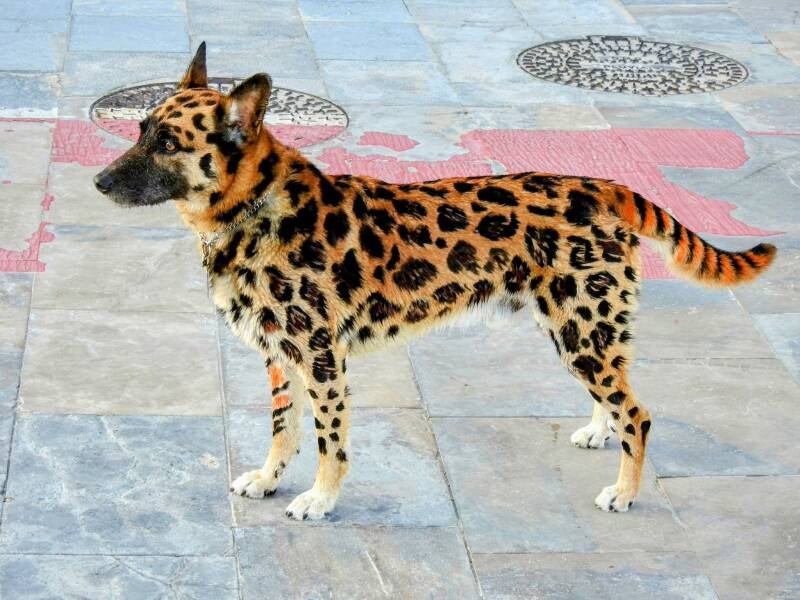
Creative grooming! Is it for the pet or the pet's human?

The pussy cat. A European Shorthair moggy with characteristic tabby markings.
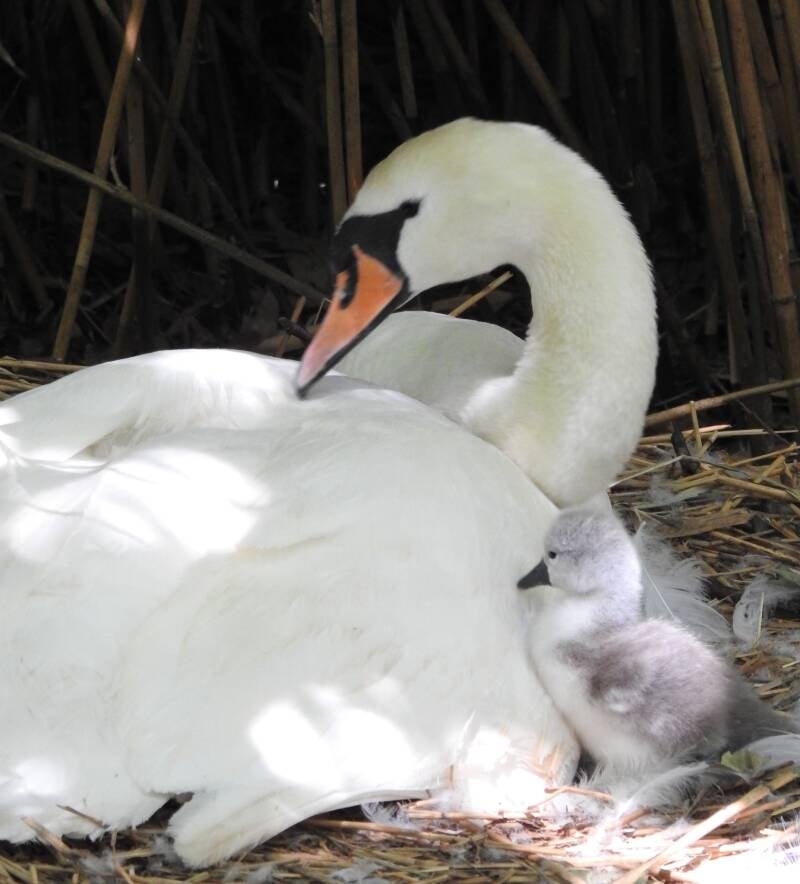
Mute Swan with its young "cygnet". A female swan is called a "pen". The male swan is called a "cob". At Abbotsbury Swannery, on the dramatic Dorset Coast, England.
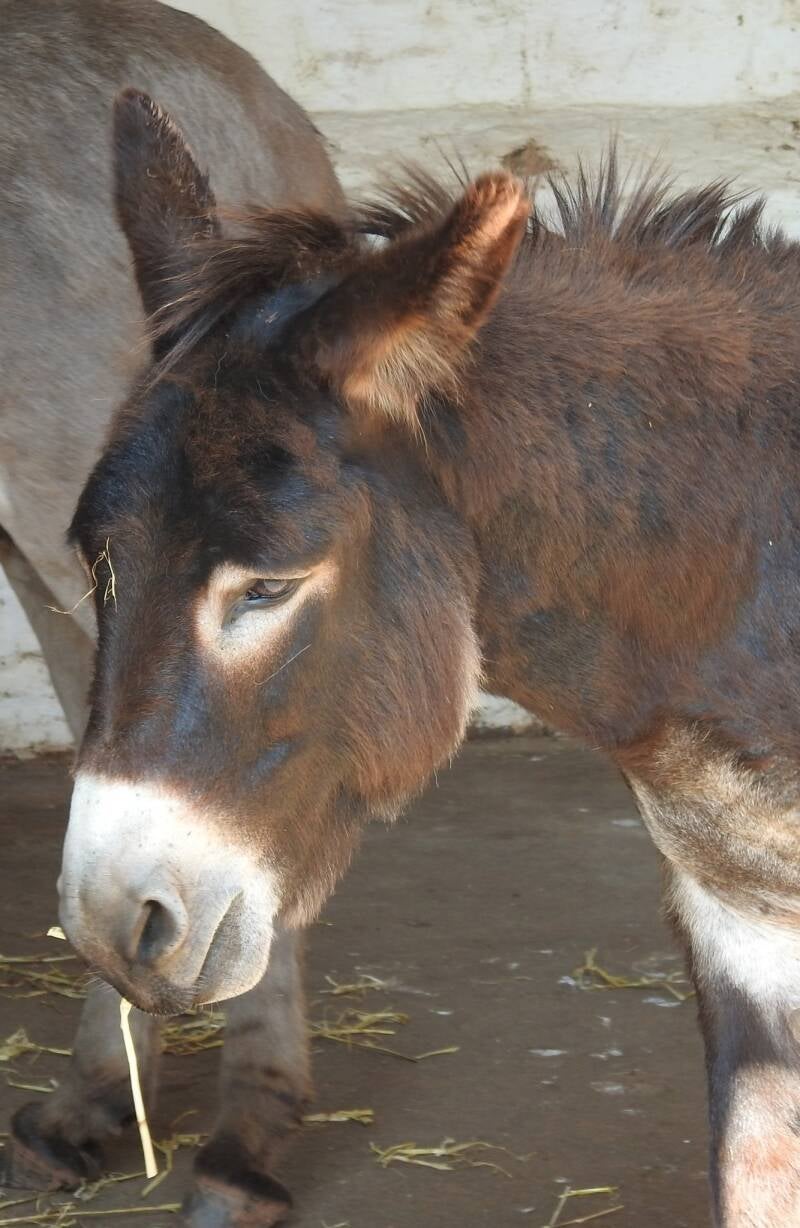
A man walks into a bar, thirsty for a drink. He finds an open stool and sits down at the bar. The bartender looks at him and asks, "what do you want, jackass?" The man sitting next to him looks shocked and asks, "are you going to let him call you that?" Hee-haw, hee-haw, he always calls me that!

New Zealand Dotterel - (Māori name, Tūturiwhatu). Image taken at Wenderholm Regional Park. This shorebird is an extremely threatened species endemic to New Zealand.

Grey Arabian horse. Göreme, Turkey.

New Zealand sheet-web spider or bush spider. They are nocturnal, so I was lucky to capture this one during the day.

White on white plumage of an adult Gannet - (Māori name, Tākapu). Muriwai Gannet Colony, NZ.
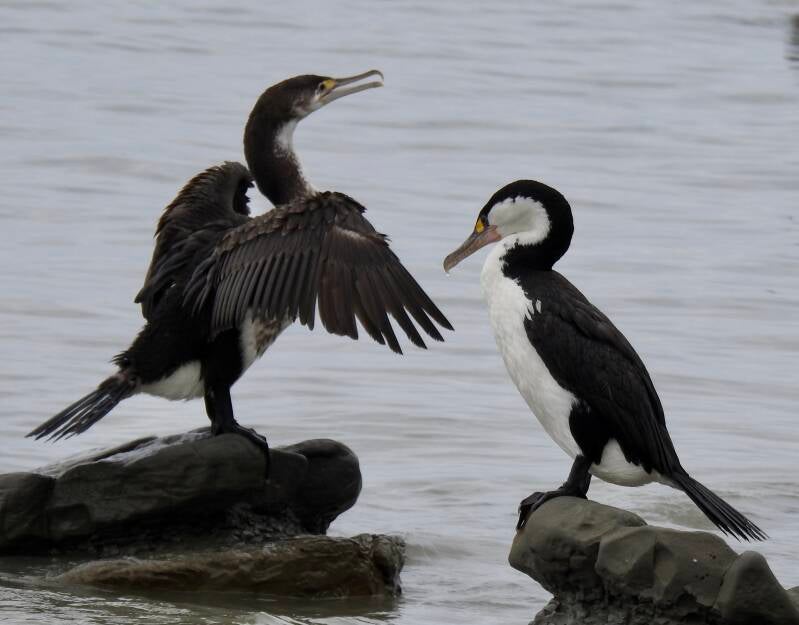
A pair of Pied Shags - (Māori name, Kāruhiruhi). They are frequently seen perched on rocks or other structures with their wings outstretched to dry in the sun because their feathers are not fully waterproof, which allows for better diving.
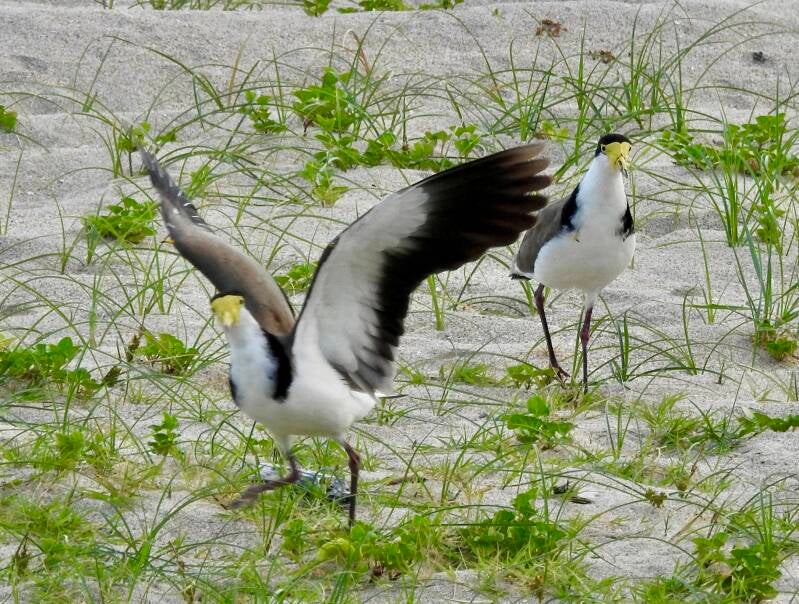
Spur-winged Plover, - (Māori name, Kororē) at Turihaua Point, near Gisbourne, NZ. The name refers to a small, sharp spur hidden in each of its wings, which it uses to defend itself. If you enlarge this image you'll find the spur on the foreground bird's right wing!

'Caught in the act', lunchtime on the mud flats. A White-faced Heron - (Māori name, Matuku moana) with a small insect in its beak. They typically forage alone, walking slowly with long, controlled steps and striking with lightning speed to catch their prey.
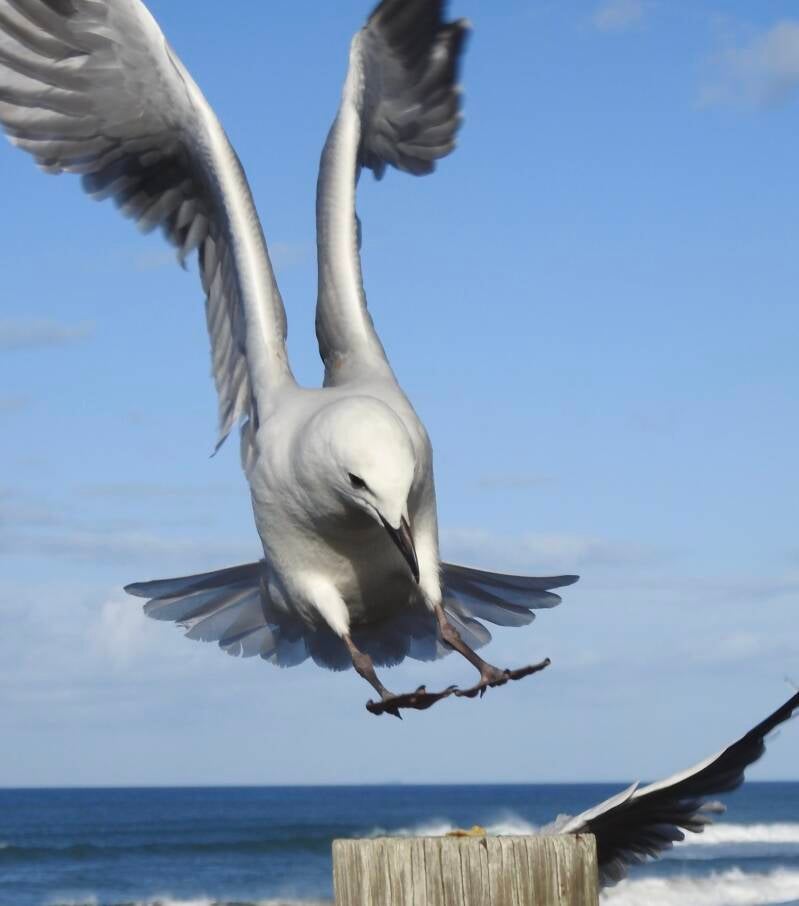
Seagull incoming. Papamoa Camping Ground, Bay of Plenty, NZ.

A Royal Spoonbill - (Māori name, Kōtuku-ngutupapa) landing in the wetland. Near Te Aroha , Waikato, NZ.
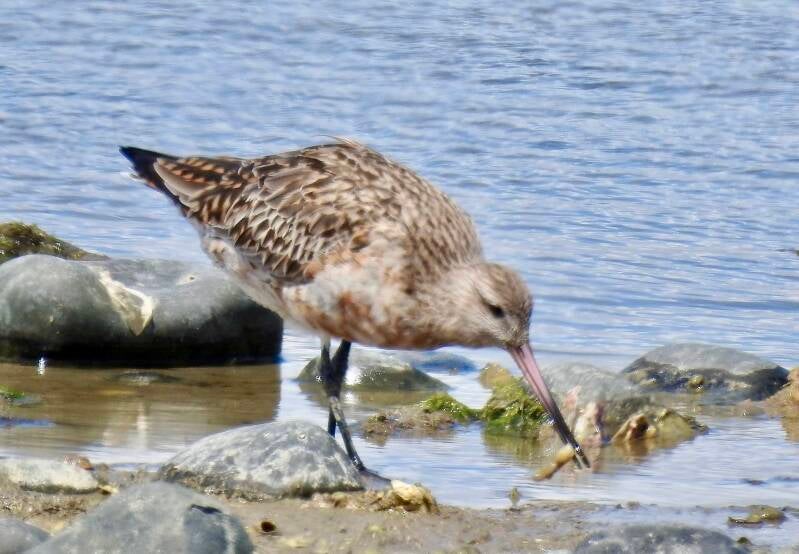
Bar-tailed Godwit - (Māori name, Kuaka) foraging on the intertidal mudflats at Kaiaua. Seen here feeding on a much-needed bristle worm. These guys are "long-haul specialists," holding world records for the longest documented non-stop migratory flights; 11,000 kms, in 8-11 days without stopping to feed or rest. That’s from Aotearoa (New Zealand) to their breeding grounds in Alaska. Unfortunately, the species is currently in decline.
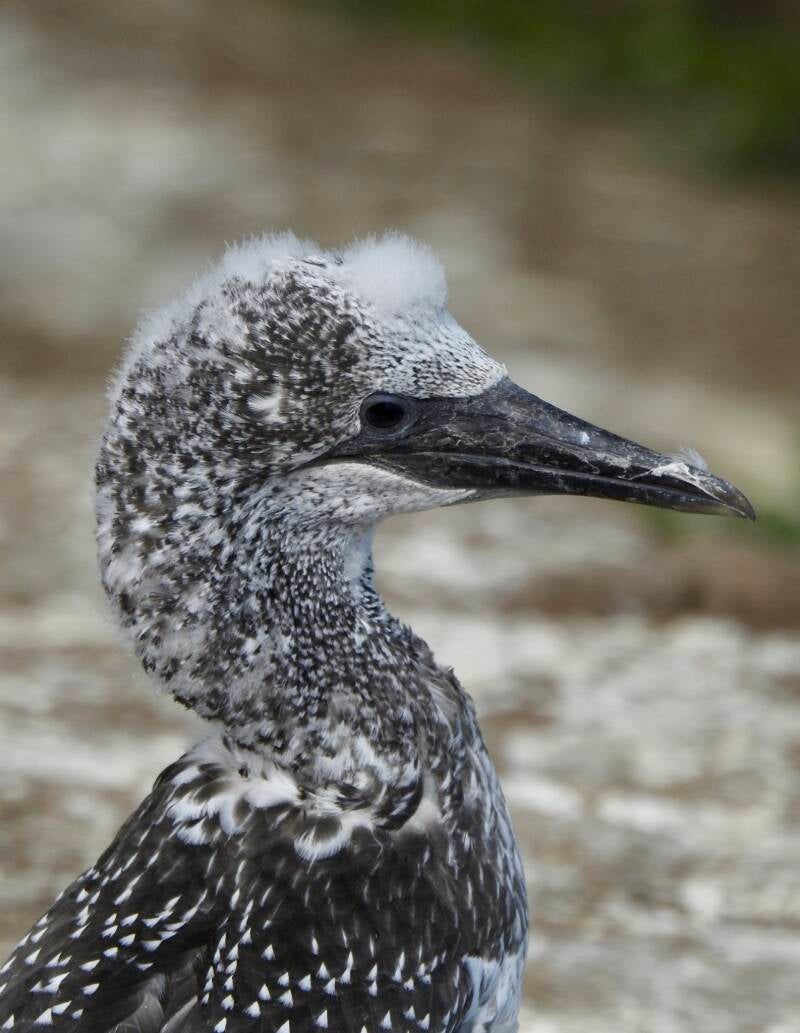
The mottled grey-brown and white plumage of a young Gannet at Muriwai.
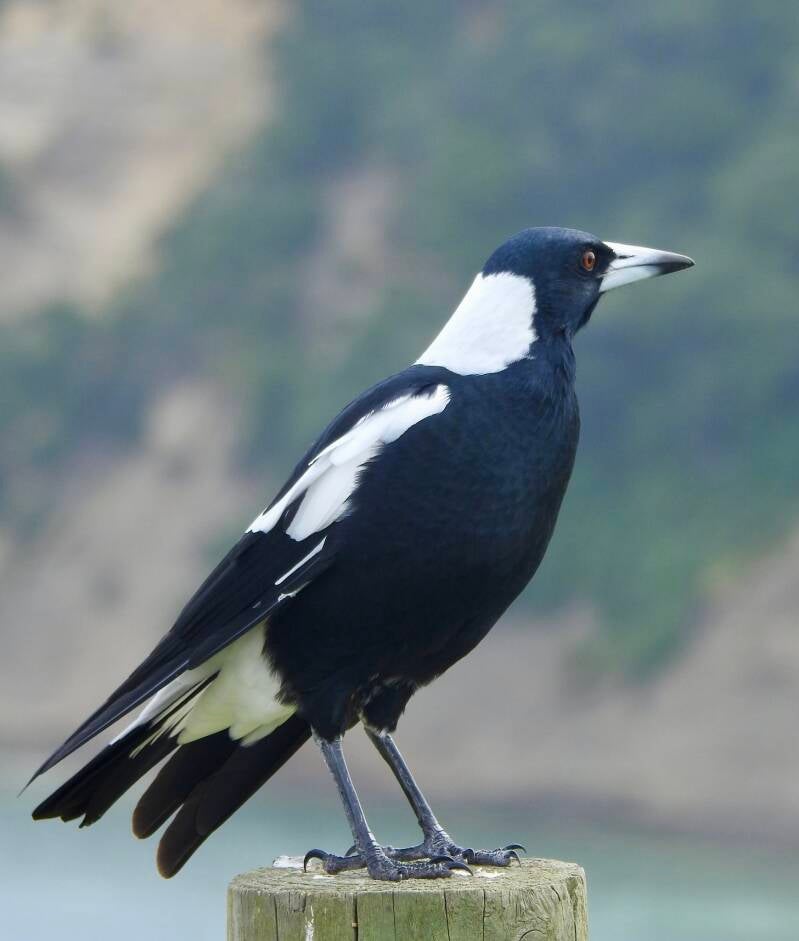
Pretty boy, with his striking black and white plumage. An Australian Magpie at Shakespear Regional Park. They are highly territorial and intelligent birds, famous for their complex, flute-like songs and the ability to mimic other sounds.
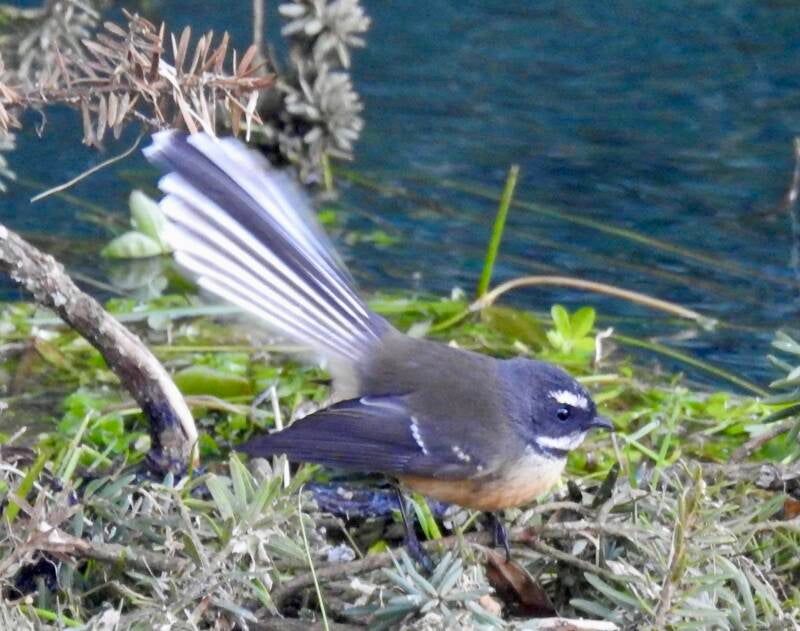
When a Fantail - (Māori name, Pīwakawaka) poses so majestically it would be rude not to point the camera in its direction. These guys are so erratic in their flight patterns and difficult to capture. I like the movement in its tail on this image.
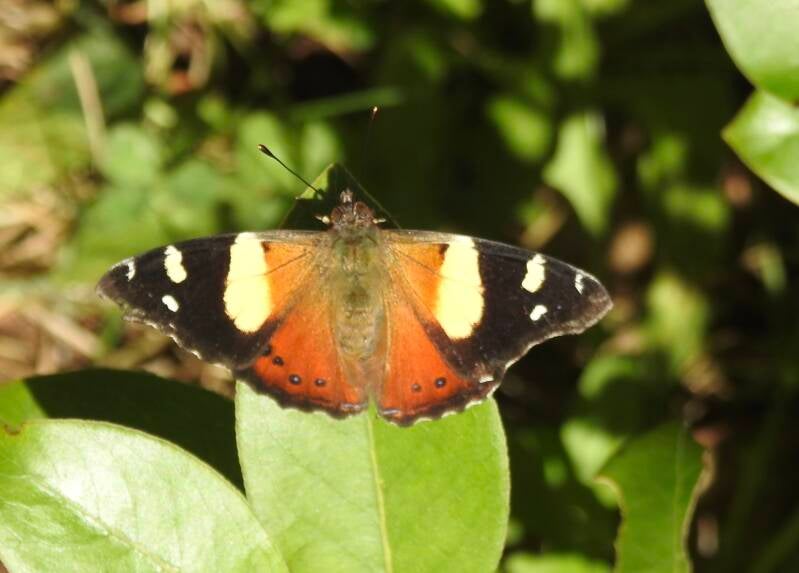
Yellow Admiral butterfly - (Māori name, Kahukōwhai) found sunning itself at Sanctuary Mountain Maungatautari, NZ.
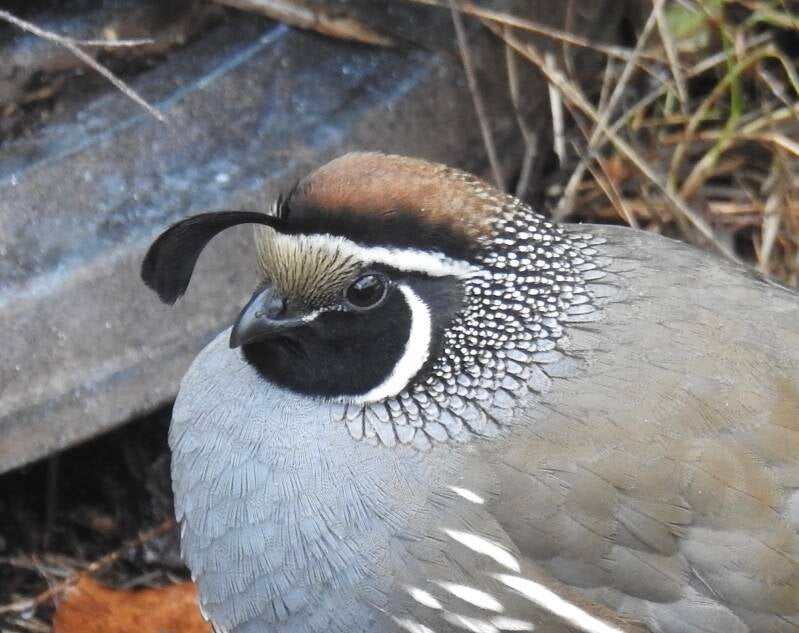
This striking bird is a male California quail. Distinctive by his topknot. They are not native to New Zealand and were introduced to Aotearoa as a game bird in 1862.
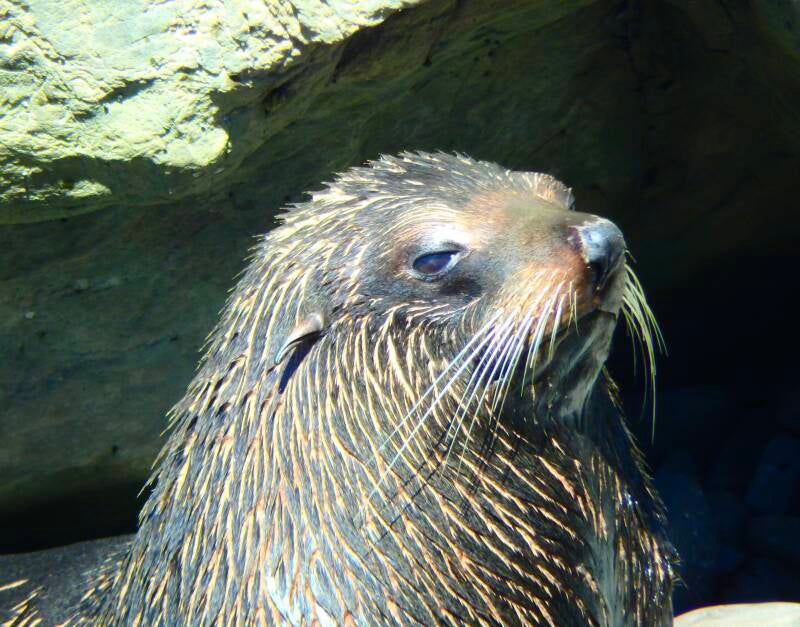
New Zealand Fur Seal - (Māori name, Kekeno). Unlike true seals, fur seals have visible external ear flaps and hind flippers that can rotate forward, allowing them to walk on land.
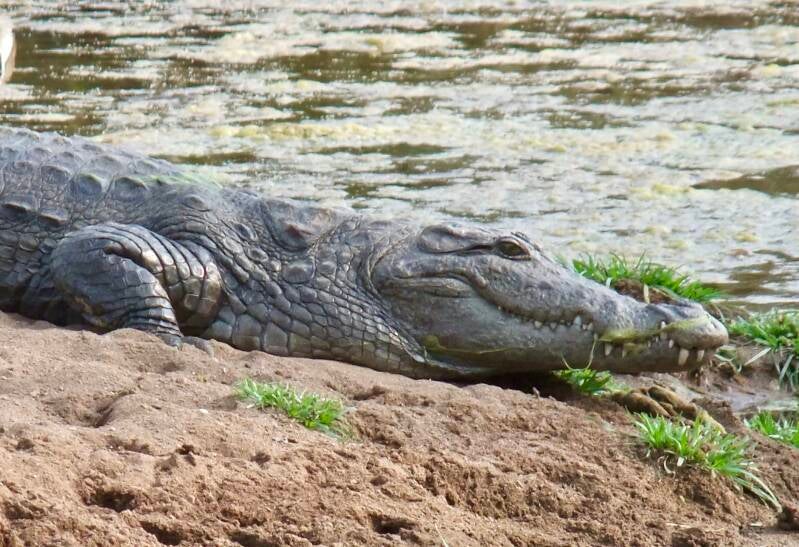
Mugger crocodile a freshwater species native to the Indian subcontinent. They bask on land to regulate their body temperature, often keeping their mouths open to dissipate heat. Ranthambore National Park, Rajasthan, India.
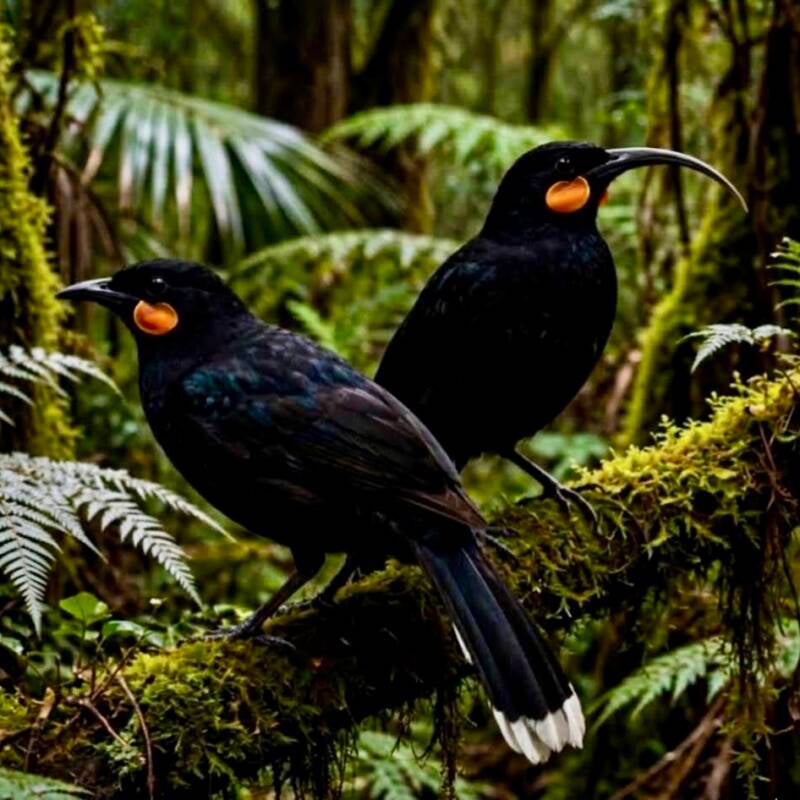
This is a photo of an artists impression with such a powerful message.
The Huia was a unique bird found only in New Zealand's native forests. It was famous for its glossy black feathers, white-tipped tail, and distinct male and female beak shapes. Sadly, the species disappeared in the early 1900s due to forest clearing, introduced predators, and intense hunting for specimens and prized tail feathers. Today, the huia serves as a powerful reminder of human impact on wildlife, inspiring modern efforts to protect Aotearoa's remaining native birds.
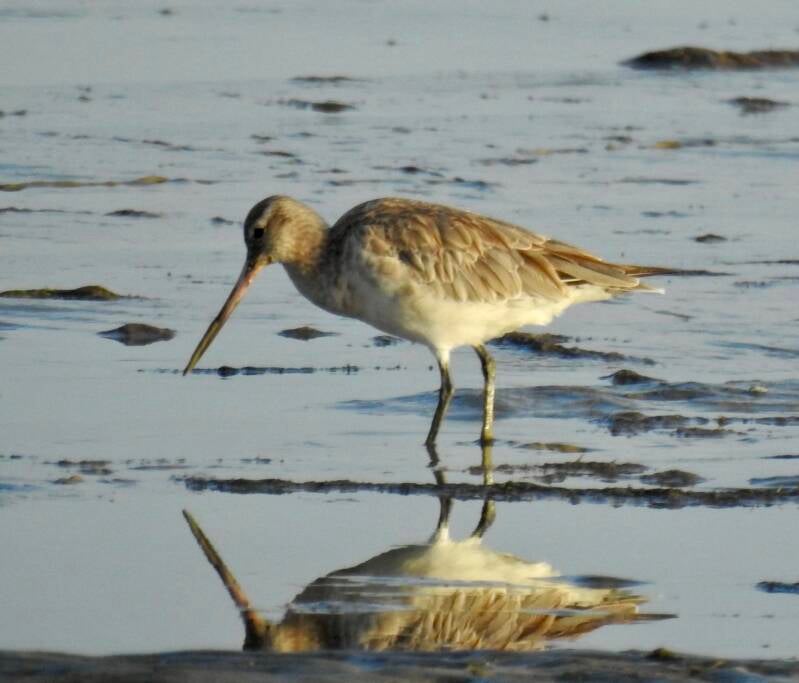
Godwit - (Māori name, Kūaka) & reflection, at Ray’s Rest on the Firth of Thames. An interesting signboard nearby read 'that early Polynesian settlers discovered New Zealand by following the migration paths of Godwits, using them as spiritual and physical guides across the Pacific'.
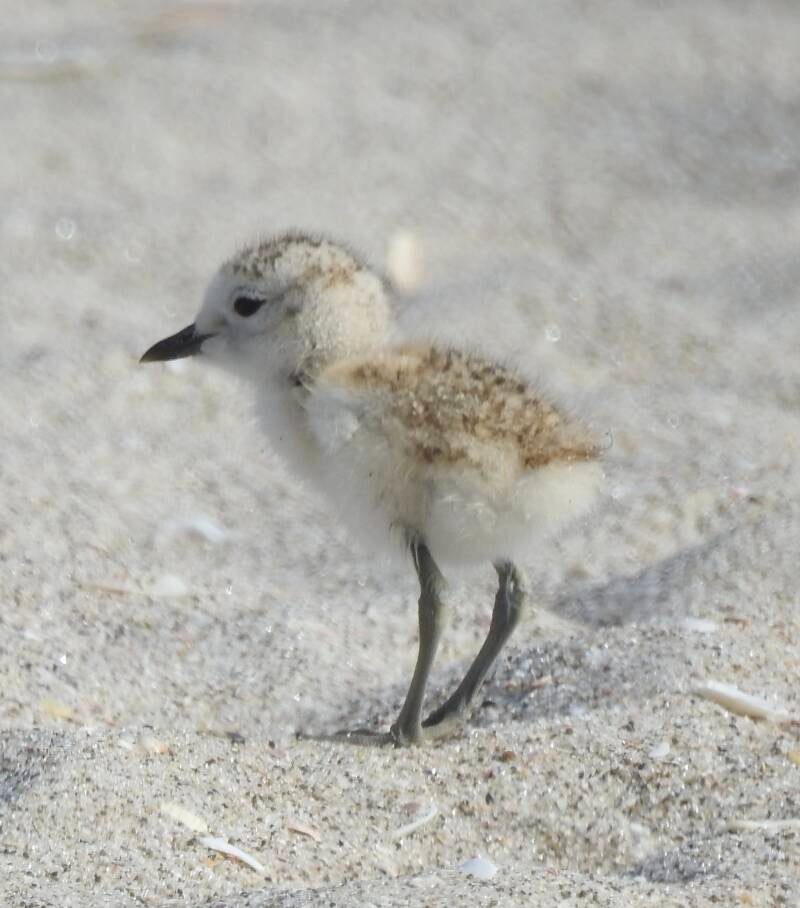
Dotterel chick - (Māori name, Tūturiwhatu) approximately one day old. I have a fondness these birds because like me they love to spend time at the beach. Unfortunately breeding birds are often disturbed by humans & their dogs.They often distract intruders from their very basic nests by performing ‘rat runs’ so give these beach babes some space. Mt. Maunganui main beach, NZ

White Tern chick having a 'bad hair day' after 4 days of rain at the Simpsons Beach (Wharekaho) Camping Ground, Whitianga, NZ.

Banded Rail - (Māori name, Moho Pererū) mooching among the mangroves at the Pūkorokoro Shorebird Sanctuary, near Miranda, NZ. These well-camouflaged wetland birds are known to be very secretive. Unfortunately, their populations are decreasing.
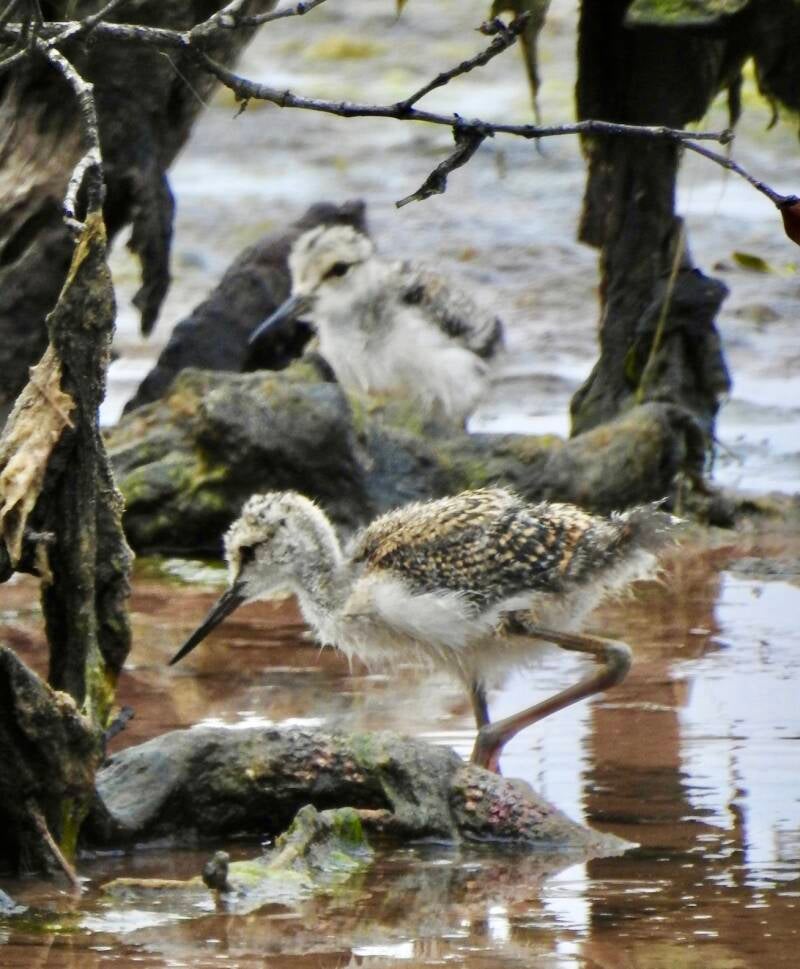
Juvenile Black Stilts - (Māori name Kakī) in a muddy, mangrove environment at Matarangi, NZ. These native birds are rare and are unfortunately an endangered species.
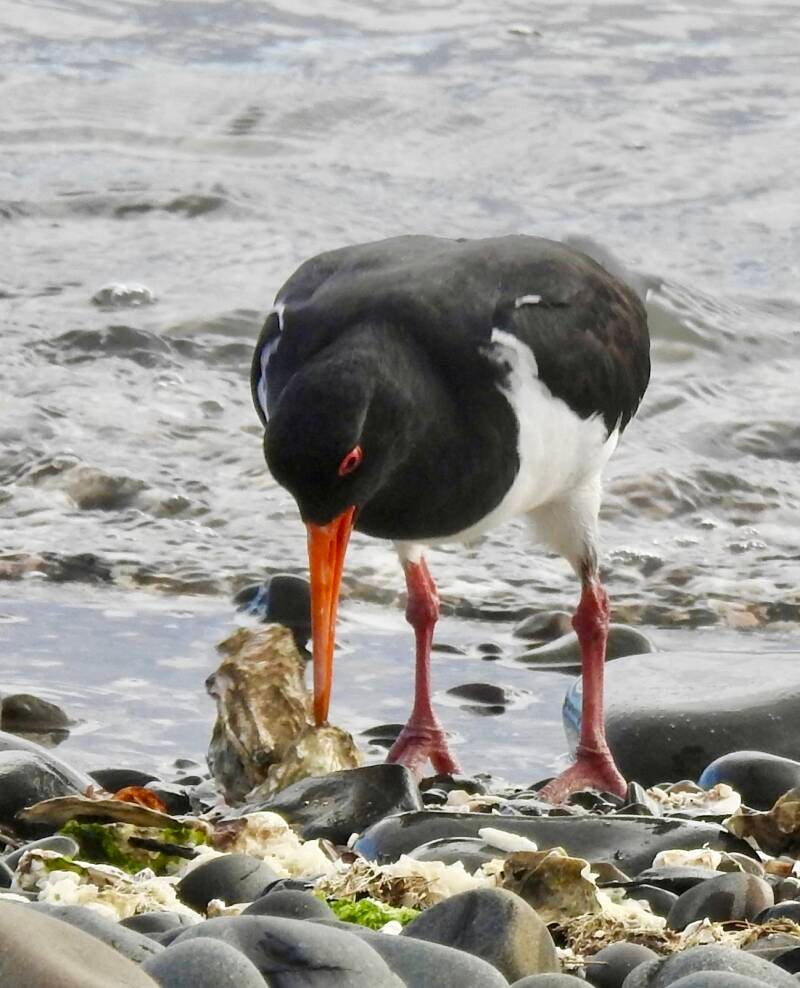
Pied Oystercatcher - (Māori name, Tōrea) doing what oystercatchers do = catching oysters.
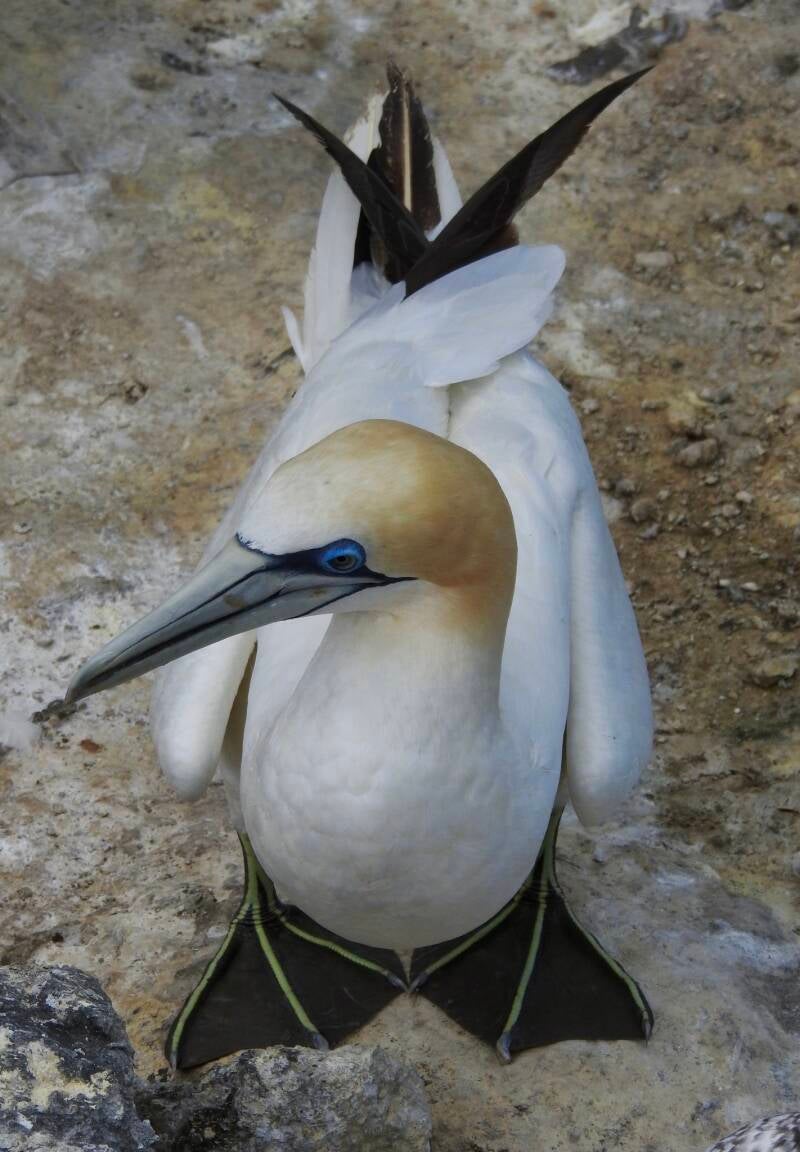
Australasian gannet - (Māori name, Tākapu). Muriwai Gannet Colony, New Zealand. The colony has roughly 1,200 pairs of gannets nesting in incredibly tight quarters. It is fascinating to watch them socialise, perform elaborate greeting rituals, feed their chicks, and launch over cliffs into the air.
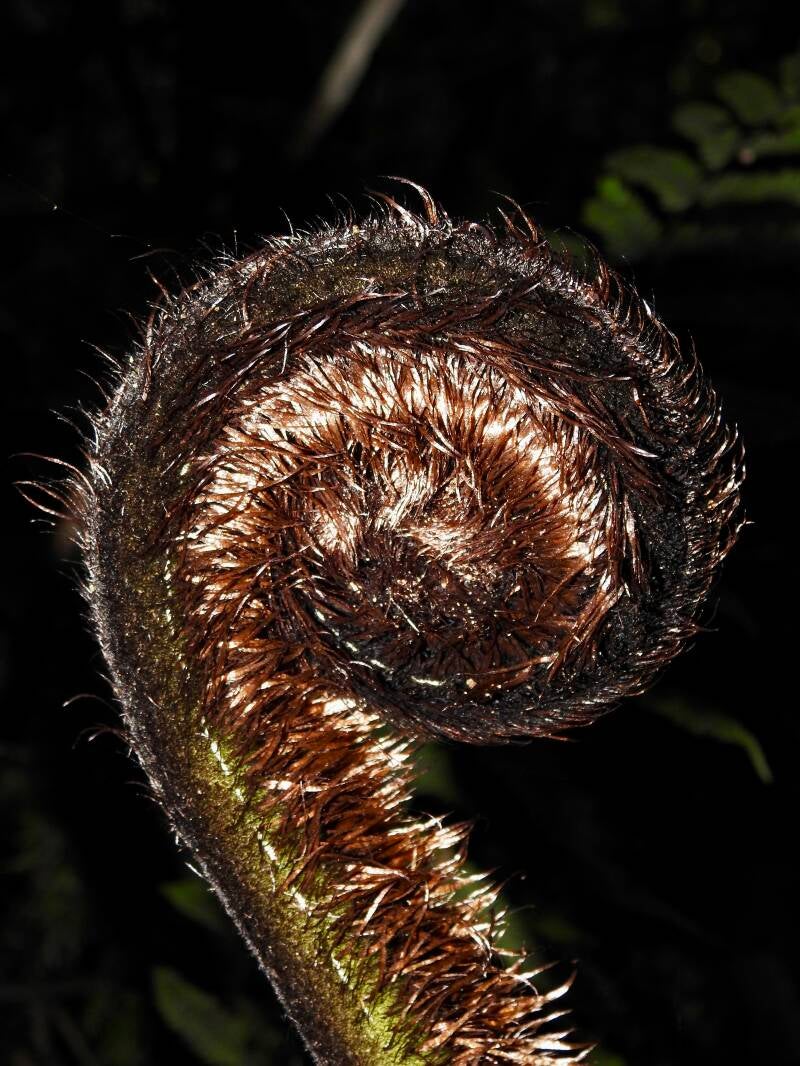
Black tree fern Koru. The spiral shape of the koru symbolizes new life, growth, strength, and peace within Māori culture. You will see it as a symbol on Air New Zealand aircraft tailplanes.

Purrrfect - Jed, the Maine Coon. He is a ‘gentle giant’ - a massive, fluffy companion with a personality that feels more like a devoted dog with his sweet, mellow temperament.

A cute Chaffinch at Sanctuary Mountain Maungatautari, NZ.
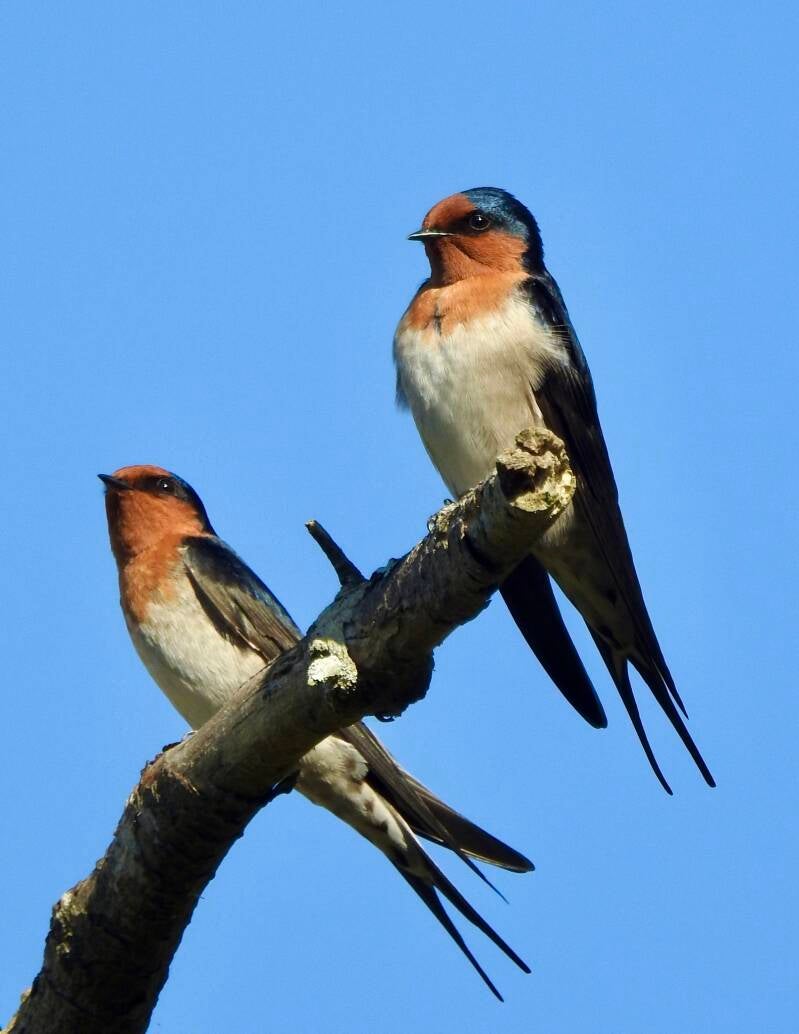
Two x Welcome Swallows - (Māori name, Warou). So adorable!
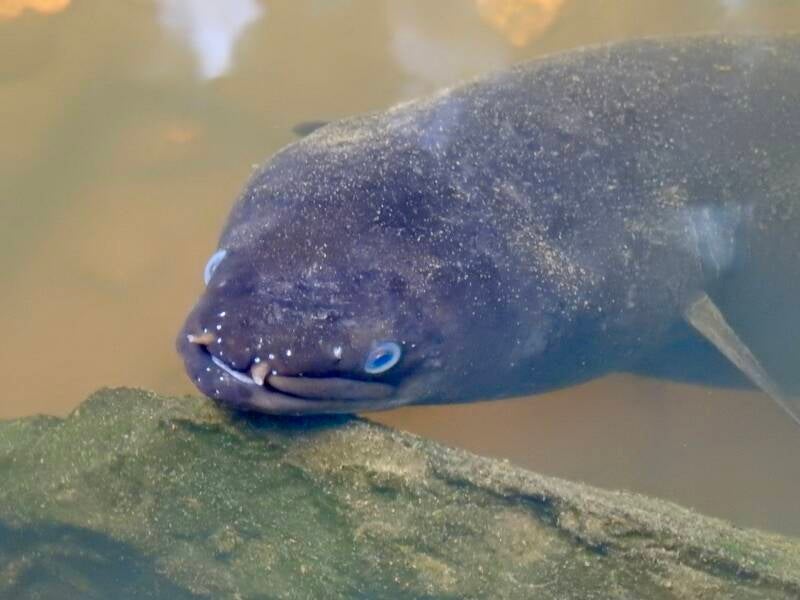
New Zealand Long-fin Eel - (Māori name, Tuna) at Shakespear Regional Park. Apparently, these eels are slow-growing and very long-lived; some females may live for more than 90 years!
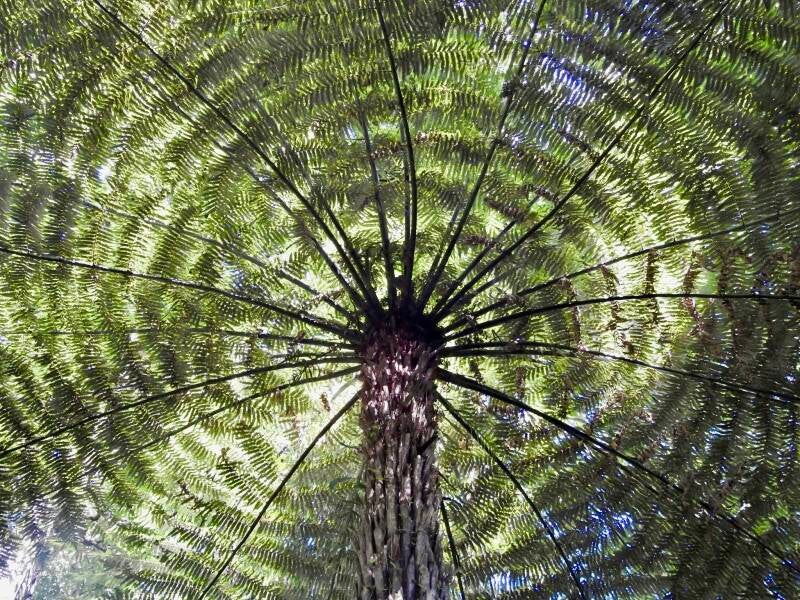
The 'umbrella' canopy of the Ponga, a New Zealand native tree fern (or Silver Fern). It is a national symbol found on all New Zealand representative jerseys, such as the All Blacks.
Create Your Own Website With Webador