
My Gear - on a timeline.
My journey started in 1970 when a close friend of my mother gifted me a beautiful, Art Deco-designed Kodak Junior 620—very similar to the one pictured here.
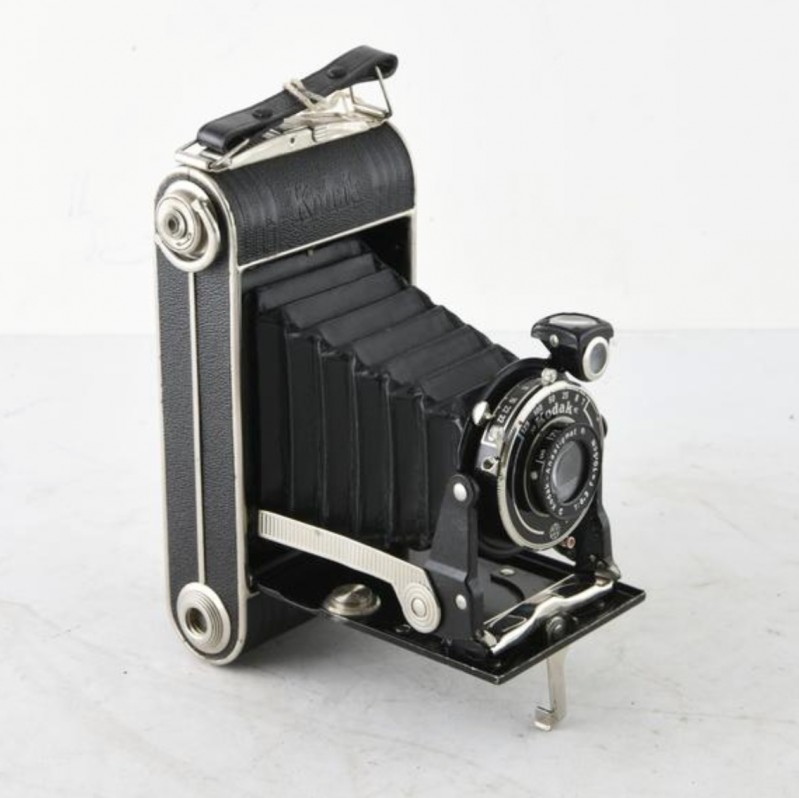
It was a vintage, self-erecting, medium-format bellows camera. For a teenage boy, the black-and-white 620 film rolls were pretty expensive since you only got 12 large negative frames per spool. To save money, I quickly learned how to develop my own photos in our only family bathroom. It was always a bit of a disaster if anyone else actually needed to use the toilet while I was stuck in there processing under the red light! Looking back, it was a great starting point because it really forced me to learn the relationship between shutter speeds and F-stops.

Later on, I saved up cash from delivering newspapers and mowing lawns to buy a Canon EF SLR from a deceased estate. What a fantastic camera! Produced by Canon between 1973 and 1976, this manual-focus 35mm SLR is highly sought after by collectors and film shooters today for its robust all-metal build and its unique electro-mechanical hybrid shutter. I used this camera all through my university years, joined the Uni Photography Club, and finally got access to a proper darkroom where I even experimented with colour development. Later on, I picked up a Tamron 35-150mm f/2.8-4 lens to go with it.
Canon EF Specs:
- Lens Mount: Classic Canon FD breech-lock mount.
- Shutter Speed: Ranges from 1/1000 second all the way down to a full 30 seconds.
- Exposure Mode: Shutter-priority automatic exposure.
- Viewfinder: Displays fully mechanical aperture readouts.
I traveled all over the place with that Canon EF between 1976 and 1986. Sadly, it was stolen from my flat in Auckland, New Zealand, not long after I got back from my OE (Overseas Experience).
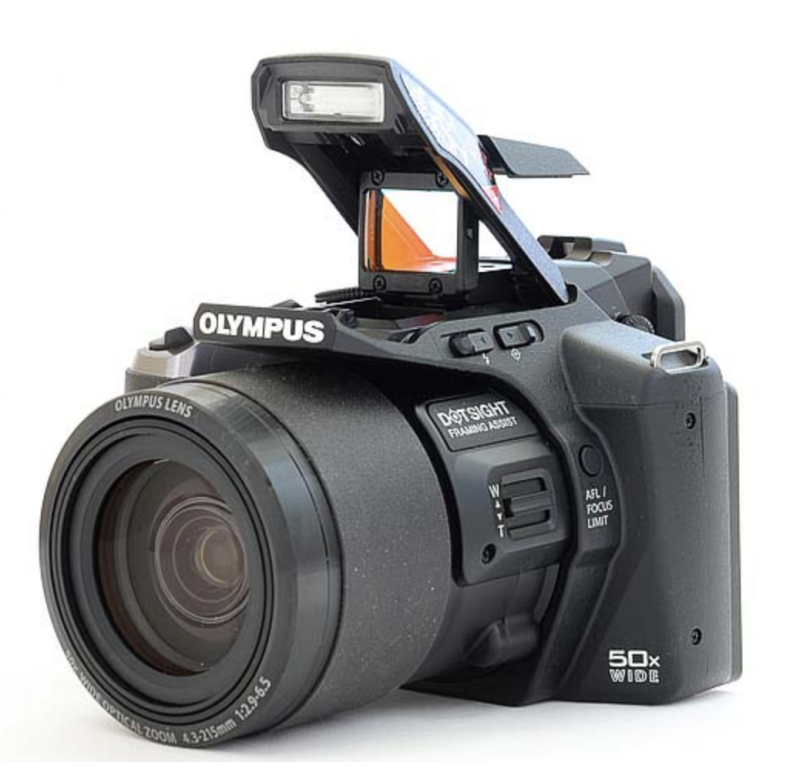
Since then, I’ve owned quite a few SLR cameras. Then the digital wave took over; here are a couple of standout bridge cameras that I have used.
The first was the Olympus Stylus SP-100EE. This superzoom bridge camera is famous for one massive innovation: its built-in Dot Sight. It was the world's first camera to include this kind of targeting aid, which solved the biggest headache of ultra-long zoom photography. The pop-up Dot Sight projects a red LED crosshair into your field of view, so you can keep both eyes open, find your target instantly, and center it in the frame. It features an incredible 24mm–1200mm focal range, which can stretch to a 100x Super Resolution zoom for wild reach on wildlife and distant objects. It also has a Focus Limiter, a super handy tool that locks in a specific distance range for autofocus so the camera doesn't accidentally hunt for the background or a distracting fence tree while you're tracking a subject.
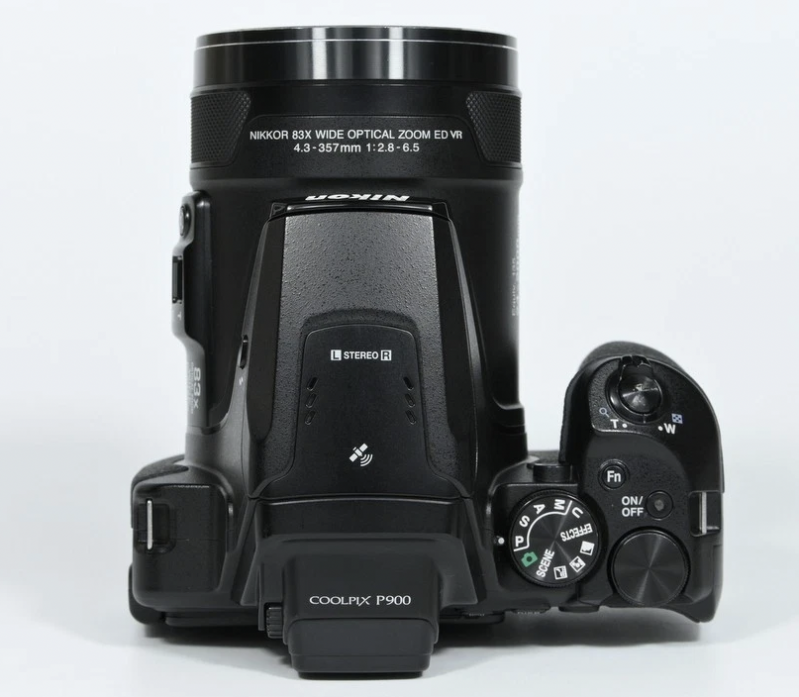
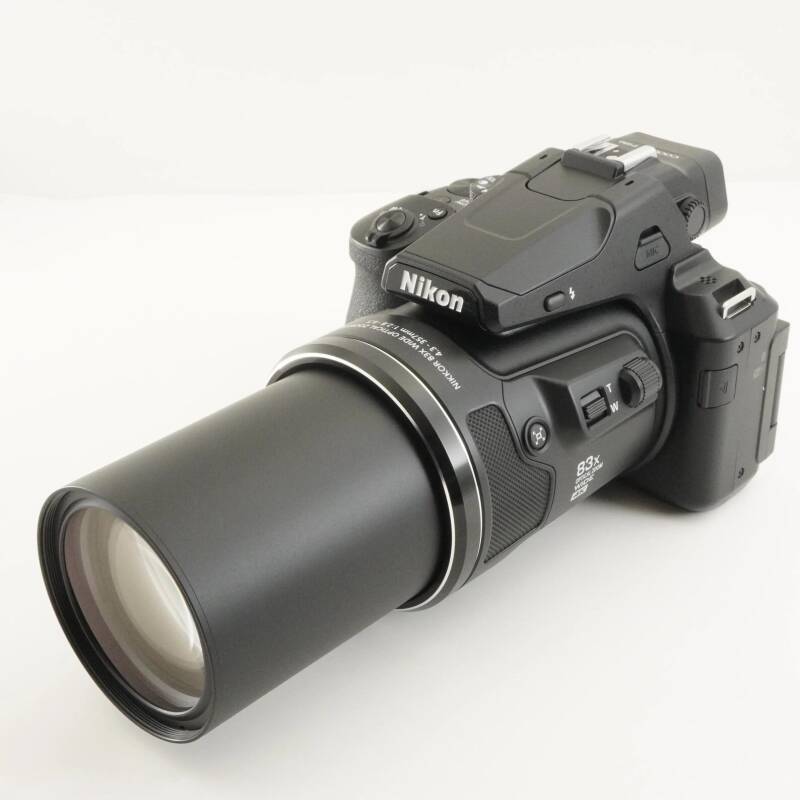
For the last 2 years, I’ve been using the incredible Nikon Coolpix P900 & P950 bridge cameras. The Nikon Coolpix P900 & P950 are legendary for their mind-blowing 83x optical zoom, giving them unmatched focal reach. They are the ultimate all-in-one travel solution for capturing distant wildlife, birds, and the moon without needing to haul around a heavy bag of interchangeable DSLR lenses.
These cameras are absolutely perfect for our lifestyle. When we travel overseas, we mostly stick to "carry-on only" at airports and accomodation, so having a high-quality camera that is this light and compact is a game-changer. Plus, when we cruise around New Zealand in our Leisureline caravan, the Nikon Coolpix P950 is an excellent, space-saving setup that fits right into our limited space.
Create Your Own Website With Webador