

Capture life's moments: Photography tips from bychrislee.com
Welcome to my photography tips page! Here, I share insights and advice from my own journey behind the lens. Whether you're just starting out or looking to refine your skills, my hope is that these tips will help you find more enjoyment in your photography.
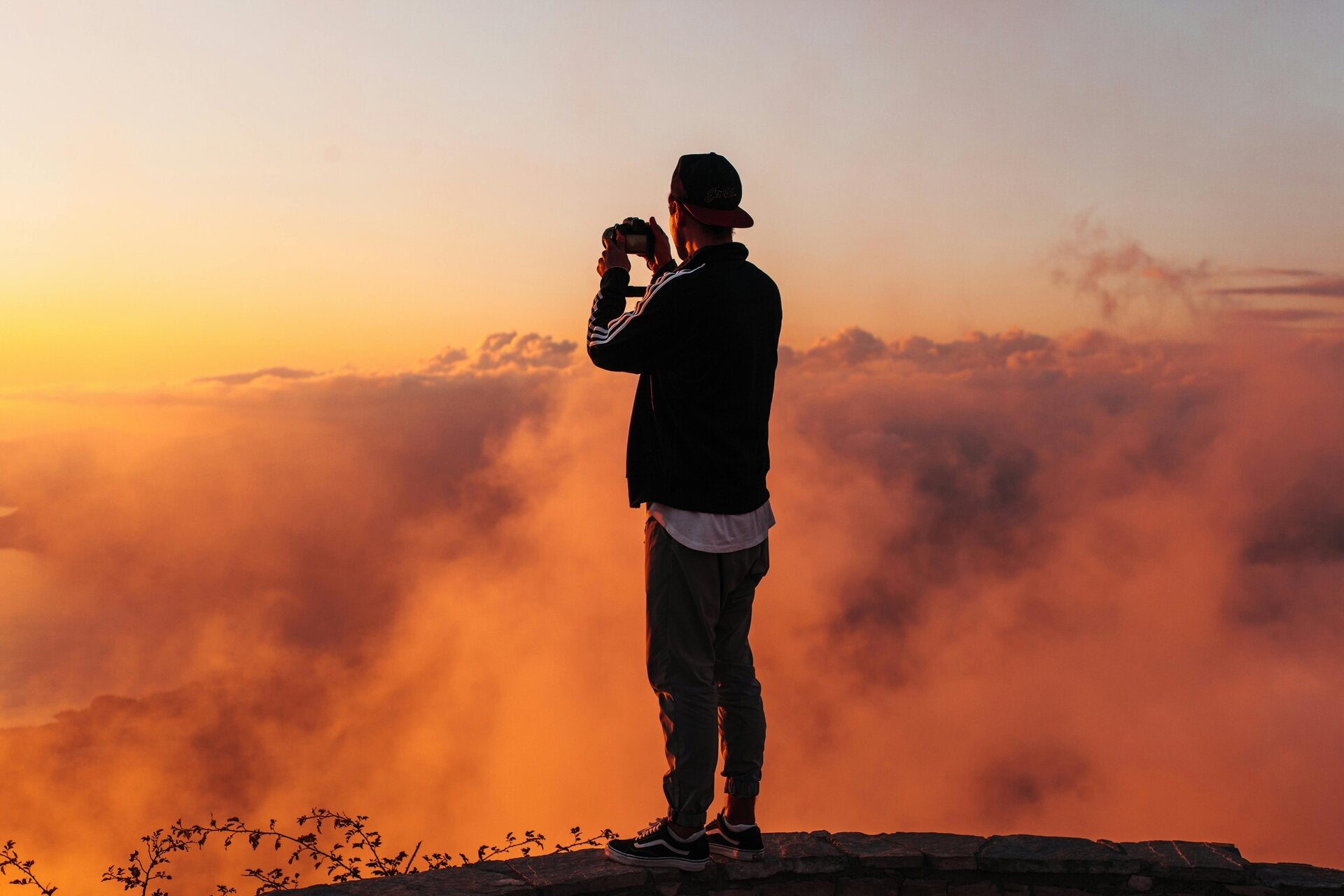
Embrace the learning curve: Mistakes are part of the journey.
You're going to make heaps of mistakes, and that's perfectly normal! Don't worry about it; every shot is a new day, and each one offers a chance to learn. What I've learned on this photography journey is that progress comes from experimenting and understanding where you can improve. Embrace the process, and you'll see your skills grow.
"Mistakes can often teach you faster than success does"

Unlock your editing potential: Shoot in RAW.
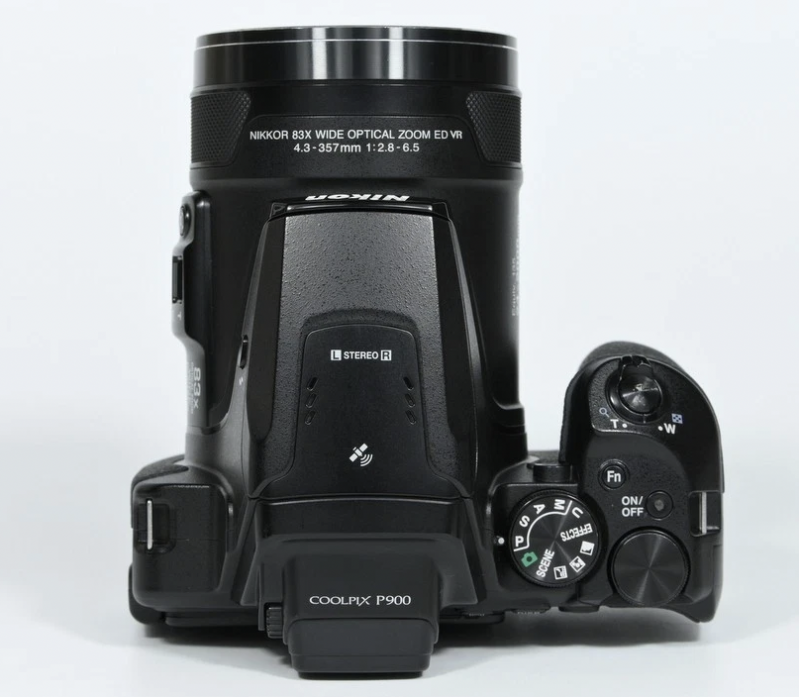
When it comes to capturing images, I always recommend shooting in RAW file format over JPEG. (atm my day to day camera, 'on the road' is a Nikon Coolpix P900 which will not shoot in RAW whereas the P950 & P1000 will = a may have to update) RAW files retain significantly more image data, giving you far greater flexibility and control during the editing process. This means more opportunities to fine-tune exposure, colours, and details, ensuring your photos look their absolute best.
Mastering light sensitivity: Understanding ISO.
Playing with your ISO settings is crucial for managing light. Remember, ISO 100 means your camera is less sensitive to light, resulting in higher quality images with less noise. Conversely, an ISO of 12800 makes your camera more sensitive to light, useful in darker conditions but potentially leading to lower quality photos. Experiment with this to find the right balance for your shooting environment.
Let your Photographs Tell a Story.
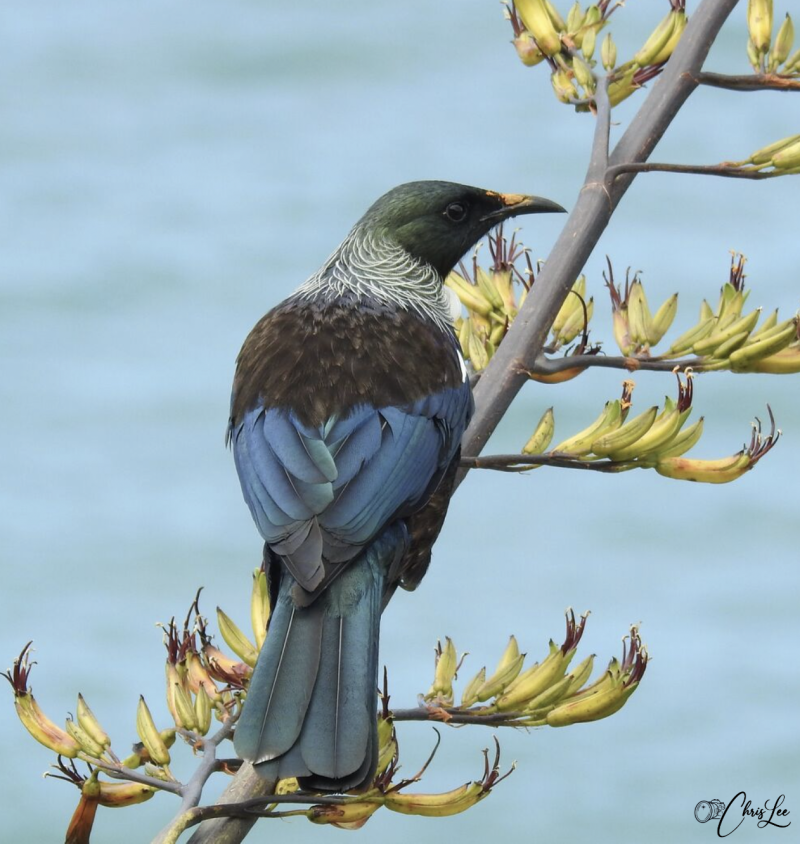
When you're out in the field, especially with wildlife photography ask yourself two questions:
- Are you capturing the animal's habitat or showing its behaviour?
- Will including the surrounding environment actually improve your shot?
Zooming out to include the habitat gives your photo vital context and gives your subject some room to breathe. Ultimately, a wider shot lets the background do the storytelling for you.
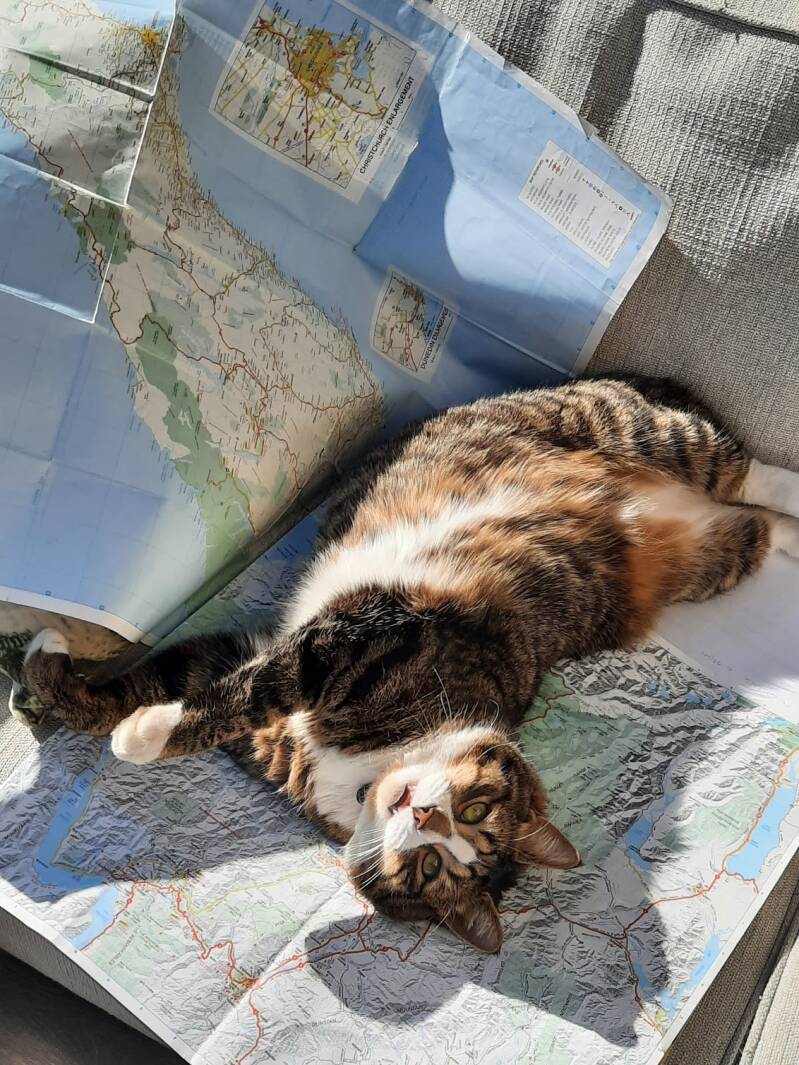
Research Your Intended Photo Shoot Location.
Do a little homework before packing your camera gear so you don't run into any annoying surprises on location. Use this my quick checklist before you head out;-
- Weather: Check the forecast for rain, clouds, and temperature.
- Lighting: Know exactly when sunrise, sunset, and golden hour happen.
- Wind: Keep an eye on wind speeds, especially if you want smooth water reflections.
- Permits: Make sure you have any needed photography passes or property access.
- Rules: Check local wildlife guidelines and see if any areas are closed for the season. (eBird)
- Logistics: Double-check your routes, hiking distances, and where you can park.
- Tides: Track high and low tide times if you are shooting near the ocean.
In saying that spontaneity also has its place. Some of my best captures have happened because I just 'arrived on the scene'!
Create Your Own Website With Webador